
Ottawa Home Water Services
Residential Water Treatment Services in Ottawa

Trusted Water Treatment Services in Ottawa Since 1985
Nelson Water has been Ottawa’s trusted water treatment expert since 1985, providing reliable solutions for homeowners across the region. From water softener systems and whole-home water filtration to reverse osmosis and well water treatment, we help residents solve water quality issues with systems designed around their home’s needs.
We take a diagnostic-led approach, starting with your water conditions before recommending a system designed for the actual issue, not a generic fix. Our products and installation services are built around quality, expertise, and long-term performance, helping you enjoy cleaner, more reliable water with confidence.
Our Water Treatment Systems & Services
Explore solutions designed to improve water quality, protect your home, and address common issues like hardness, odours, staining, sediment, bacteria concerns, and drinking water quality.

Water Softeners
Water softeners help reduce calcium and magnesium minerals that cause hard water, helping minimize scale buildup, spotting, soap scum, dry skin, and appliance wear.
Learn More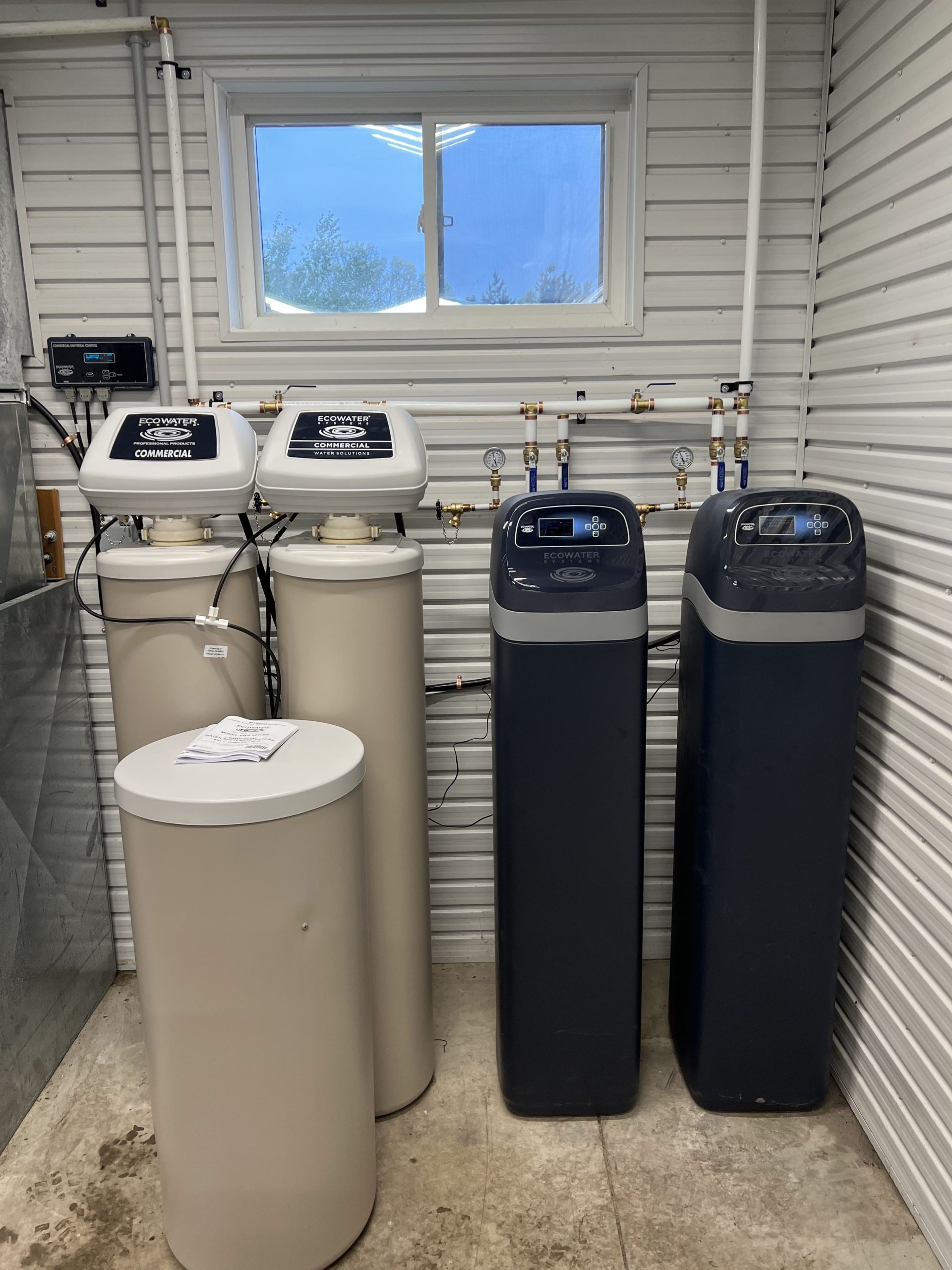
Whole-Home Water Filtration Systems
Whole-home filtration systems treat water as it enters the home, helping address sediment, chlorine, iron, sulfur, staining, odours, and other water quality issues.
Learn More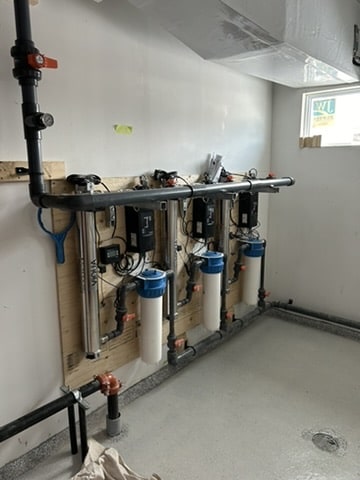
UV Water Treatment Systems
UV systems use ultraviolet light to help neutralize bacteria, viruses, and microorganisms, making them useful for private well water homes.
Learn More
Reverse Osmosis Systems
Reverse osmosis systems provide dedicated drinking water filtration, helping improve taste, clarity, and confidence in everyday drinking water.
Learn More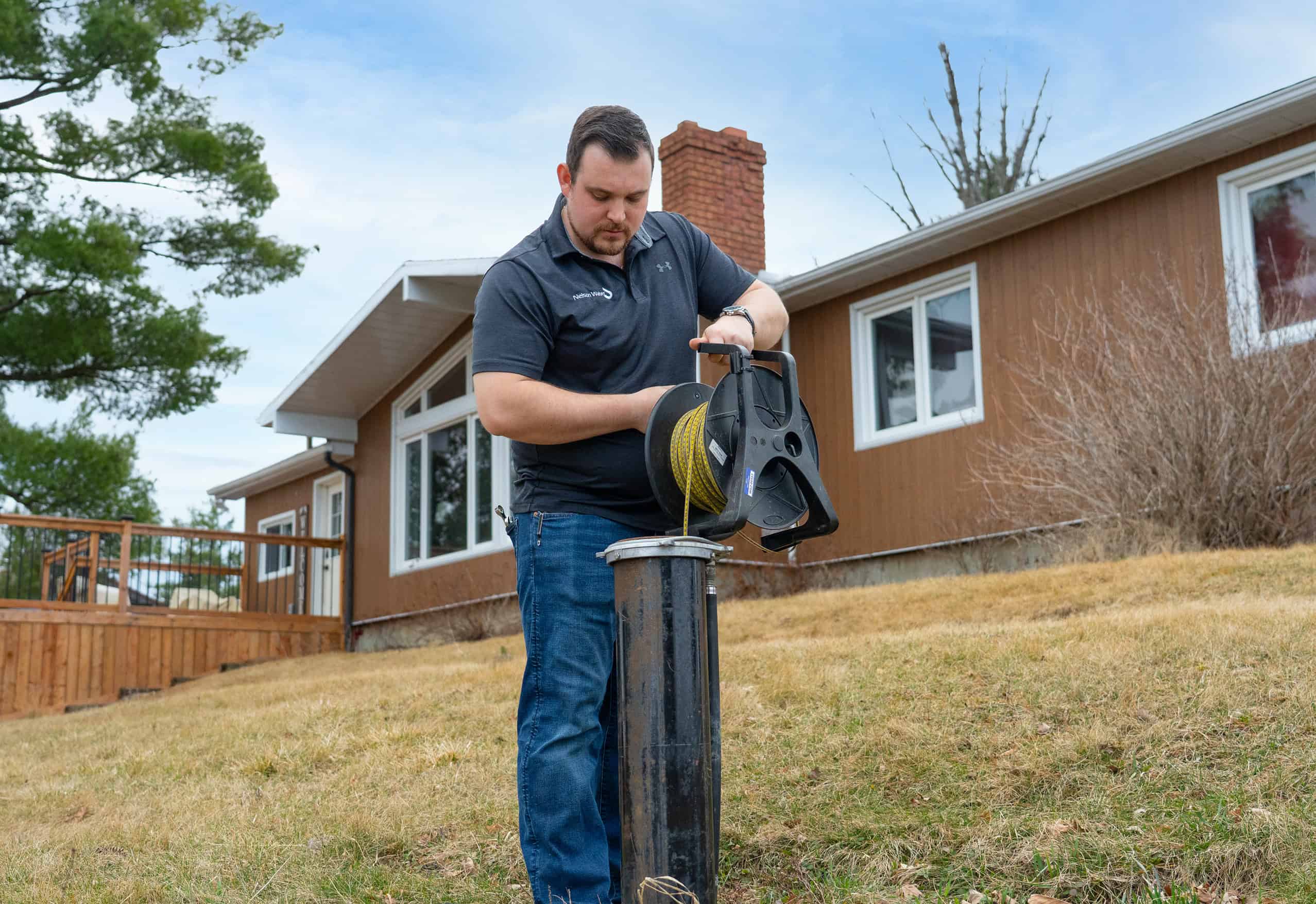
Well Water Treatment Systems
Well water treatment systems help address iron, sulfur odours, sediment, bacteria concerns, hardness, staining, and other naturally occurring water issues.
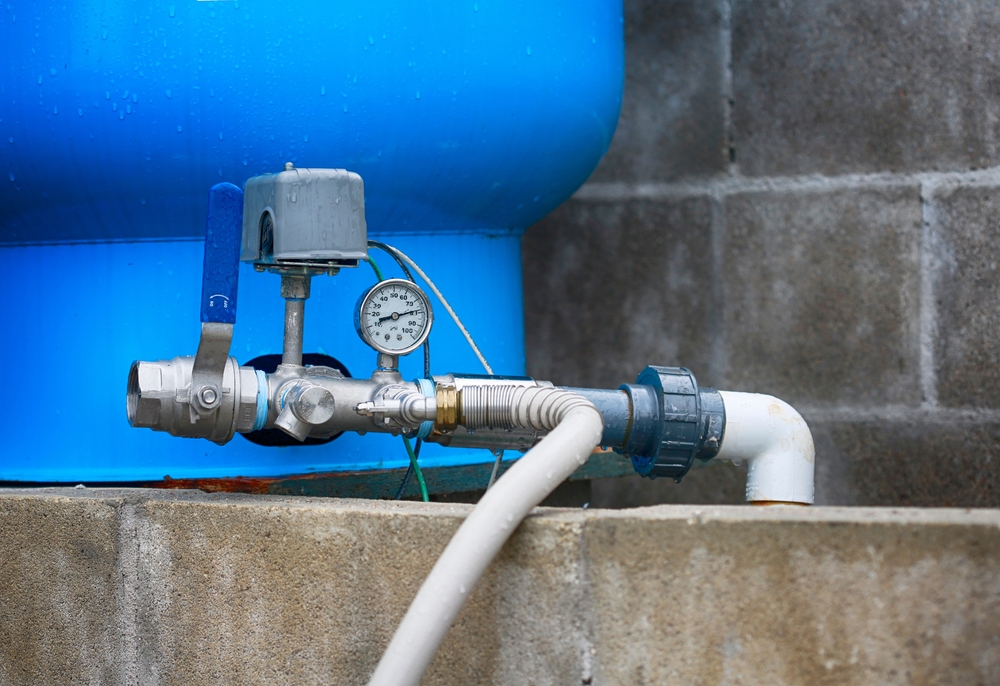
Water Systems & Equipment
From well pumps and pressure tanks to filtration and water treatment, we help homeowners maintain reliable water supply and water quality throughout the home.
Learn MoreOur Water Treatment Recommendation Process
Many water quality issues can have similar symptoms but very different causes. That’s why we don’t believe in recommending a treatment system before understanding what’s affecting your water. Our process helps ensure the solution is designed around your home’s actual water conditions and needs.
Concerns
Water
Solution
Support
Common Water Problems We Help Solve in Ottawa
Many homeowners do not realize they have a water quality issue until the symptoms start affecting daily life. Some problems are easy to notice, while others gradually affect plumbing, appliances, cleaning, or drinking water quality over time.
Because every home and water source is different, the right treatment solution depends on what is actually causing the issue.
At Nelson Water, we help homeowners across Ottawa identify the source of the problem and recommend treatment solutions based on their specific water conditions. Here are some of the most common water concerns we help solve:
Hard Water & Scale Buildup
White residue on faucets, spotting on dishes, dry skin, and appliance buildup are common signs of hard water minerals.
01Hard Water & Scale Buildup
White residue on faucets, spotting on dishes, dry skin, and appliance buildup are common signs of hard water minerals.
Sulfur Smells or Bad Odours
Rotten egg smells or unpleasant odours are often linked to sulfur, bacteria, or well water conditions.
02Sulfur Smells or Bad Odours
Rotten egg smells or unpleasant odours are often linked to sulfur, bacteria, or well water conditions.
Iron Staining & Discolouration
Orange, brown, or black staining on fixtures, laundry, or sinks may indicate iron, manganese, or tannins in the water.
03Iron Staining & Discolouration
Orange, brown, or black staining on fixtures, laundry, or sinks may indicate iron, manganese, or tannins in the water.
Poor Drinking Water Quality
Chlorine taste, metallic flavour, sediment, or concerns about contaminants often lead homeowners to install drinking water treatment systems.
04Poor Drinking Water Quality
Chlorine taste, metallic flavour, sediment, or concerns about contaminants often lead homeowners to install drinking water treatment systems.
Why Choose
Nelson Water?
Nelson Water has been a trusted leader in the water treatment industry for over three decades. We are committed to excellence and customer satisfaction. Our extensive experience and dedication to quality ensure that your water treatment needs are met with expertise and reliability, making us the premier choice for water solutions in your area.
Satisfied Customers



Residential Water Treatment FAQs
Find clear answers about residential water treatment, common water quality issues, and how to choose the right system for your home.
What water treatment system do I need for my home?
The right water treatment system depends on your water quality and the specific issues you are trying to solve. Hard water may need a water softener, while iron, sulfur, bacteria, chlorine, sediment, or poor tasting water often require filtration, UV treatment, reverse osmosis, or a combination of systems.
Many homeowners assume one system solves everything, but water problems often overlap. For example, a well water home may need a softener for hardness, an iron filter for staining, and UV treatment for bacteria protection. Municipal water users more commonly install chlorine filtration, reverse osmosis systems, or softeners.
A professional water test is usually the best starting point because it identifies what is actually in the water before choosing equipment.
How do I know if I need water treatment in my home?
Common signs include white scale buildup, orange staining, sulfur smells, dry skin, metallic taste, cloudy water, sediment, soap that does not lather properly, or spotting on dishes and fixtures.
These symptoms often point to underlying water quality issues. For example, white buildup usually indicates hardness minerals, while orange staining may suggest iron. A rotten egg smell often comes from sulfur or hydrogen sulfide.
Some issues affect comfort, while others may affect plumbing efficiency, appliance life, and long-term maintenance costs. Water testing helps confirm the cause rather than guessing.
What is the best water treatment system for hard water?
Water softeners are generally considered the best solution for hard water because they remove calcium and magnesium minerals responsible for scale buildup.
Hard water can leave deposits on faucets, reduce appliance efficiency, shorten water heater lifespan, and make soap less effective. A properly sized softener helps reduce buildup and improve overall water quality throughout the home.
In some cases, homeowners also combine softeners with reverse osmosis or filtration systems when additional contaminants are present.
Can a water treatment system improve drinking water taste?
Yes. Water treatment systems can improve taste by reducing chlorine, sulfur, iron, sediment, and other substances that affect flavour and odour.
Municipal water often has chlorine taste or smell, while well water homes may notice metallic flavours, sulfur odours, or earthy notes. Reverse osmosis systems are commonly installed for drinking water because they remove a wide range of dissolved contaminants while improving taste and clarity.
The best solution depends on what is causing the taste issue in the first place.
Do I need a different system for well water and city water?
Yes. Well water and municipal water typically have different treatment requirements.
Well water systems are more likely to address iron, sulfur, tannins, bacteria, sediment, and hardness. Municipal water treatment is often focused on chlorine reduction, improving taste, and managing hardness.
Because water quality varies from home to home, even neighbours using the same water source may require different treatment solutions.
How much space is needed to install a residential water treatment system?
Most residential water treatment systems need a small utility area near the main water line, drain, and power source. Common installation locations include basements, mechanical rooms, garages, or utility closets.
The exact space depends on the system. A water softener needs room for a resin tank and brine tank, while reverse osmosis systems are often installed under the kitchen sink. During an assessment, a technician can confirm the best location based on your plumbing layout, available space, and the type of system required.
How much does residential water treatment cost?
Residential water treatment costs vary depending on the water issues being addressed, the type of system required, and whether treatment is needed for the whole home or only drinking water.
Simple filtration systems may start in the hundreds of dollars, while water softeners, reverse osmosis systems, iron filters, UV treatment, and whole-home setups can range from several hundred to several thousand dollars.
Homes with multiple water quality issues may require a combination of systems.
A water test is usually the best first step because it helps identify the actual problem and avoids paying for equipment that may not be necessary.