
Reverse Osmosis System Installation in Ottawa
Enjoy cleaner,
better-tasting water
every day.
Nelson Water installs reverse osmosis systems in Ottawa for homeowners who want cleaner, better-tasting water for drinking and cooking. Our team can test your water, recommend the right RO system, and provide professional reverse osmosis system installation based on your home’s water quality and daily use.
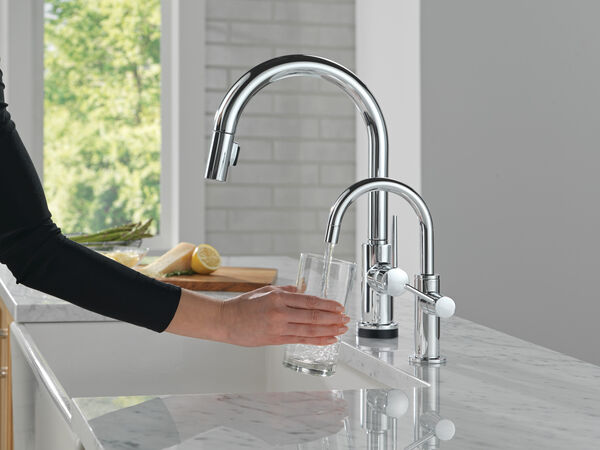
Advanced Reverse Osmosis Systems in Ottawa
Reverse osmosis is designed for homeowners who want a dedicated drinking water system, not just general filtration. Installed at the kitchen tap, an RO system uses multiple filtration stages and a semi-permeable membrane to reduce many dissolved substances that can affect taste, clarity, and overall water quality.
For Ottawa homes, this can be especially useful when the goal is cleaner water for drinking, cooking, coffee, tea, and ice. Nelson Water helps match the right reverse osmosis system to your water conditions, usage needs, and installation setup.
- Dedicated Drinking Water System
- Multi-Stage Filtration
- Better Taste and Clarity
- Reduced Dissolved Contaminants
- Convenient Point-of-Use Filtration
- Professional RO Installation
Reverse Osmosis Systems
for Ottawa Homes
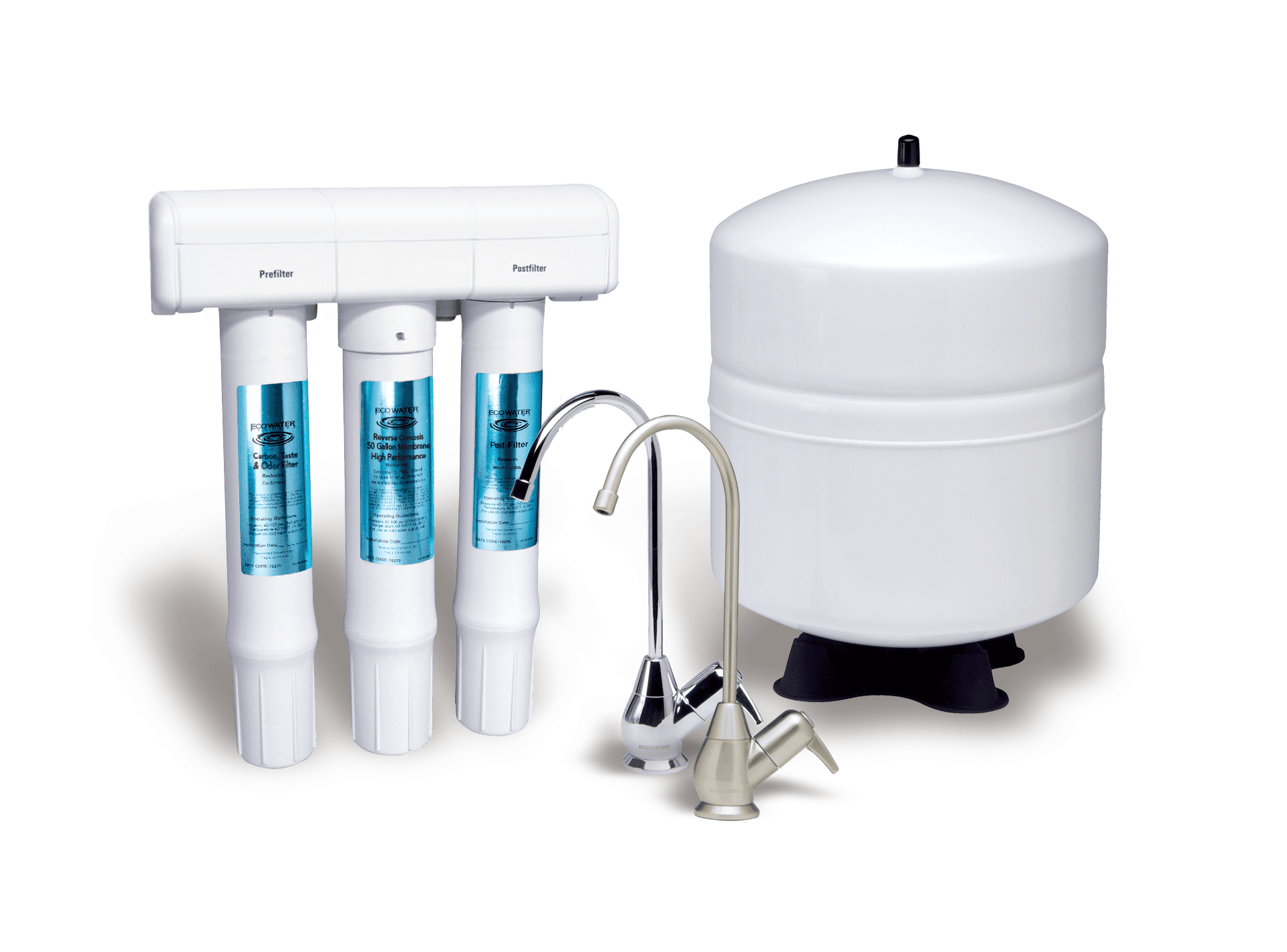
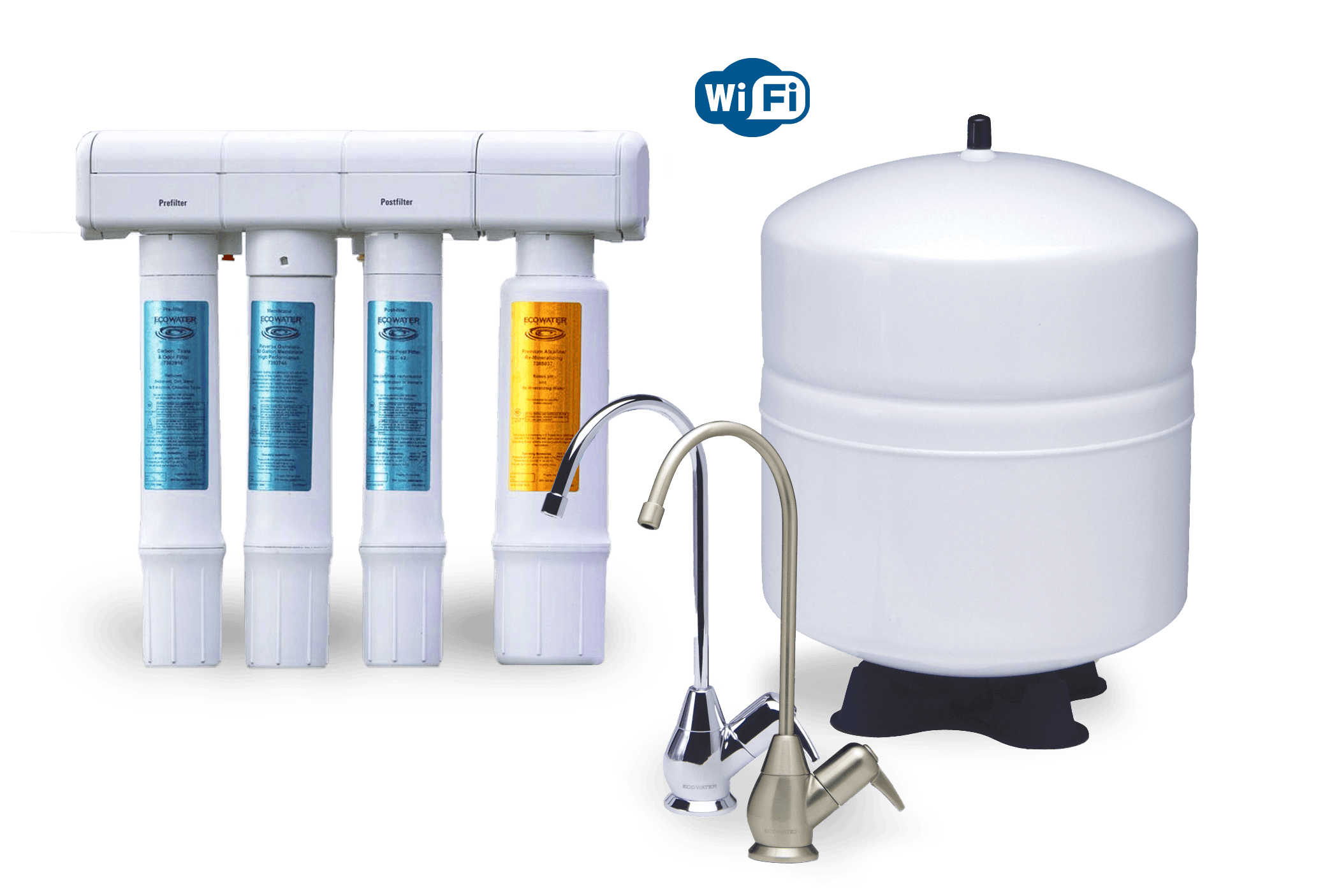
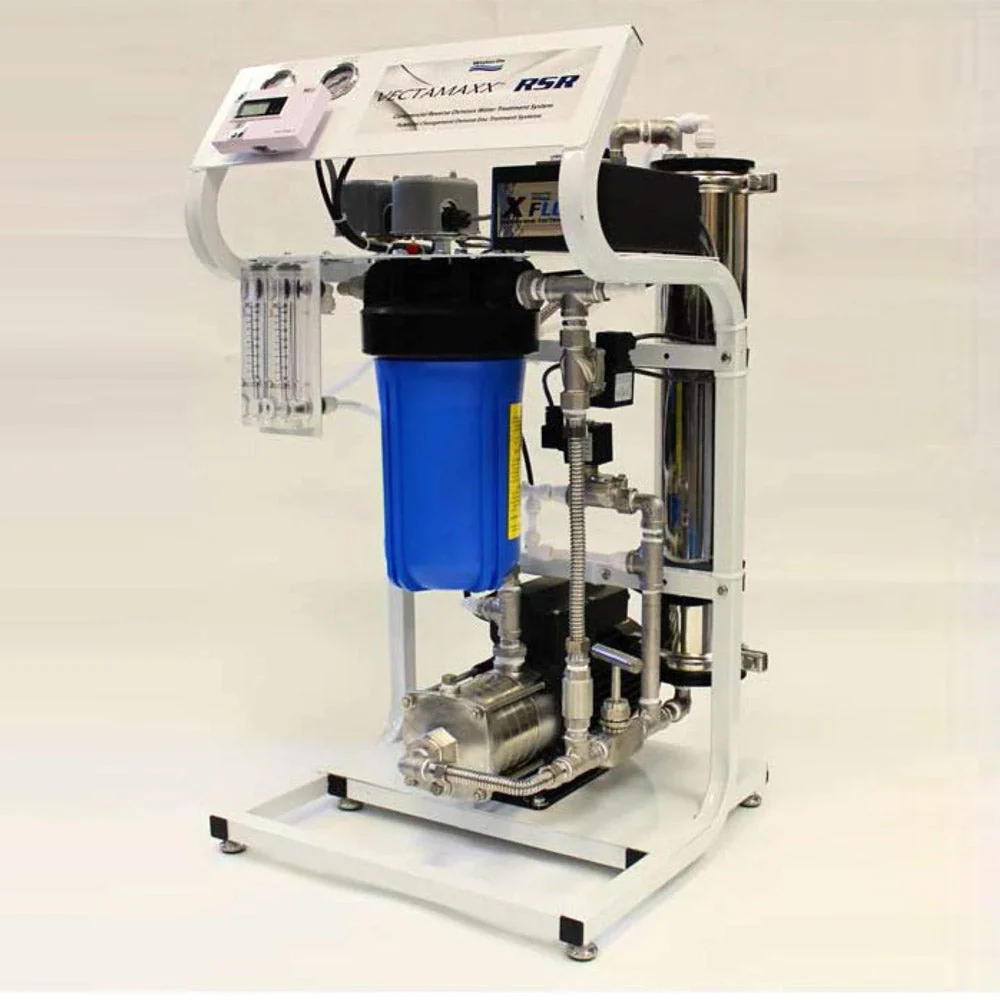
Our advanced multi-stage RO technology removes dissolved solids, sodium, and contaminants using high-performance membranes, pre‑filters, and post‑treatment steps—delivering pure, great‑tasting water on demand.
Why Ottawa Homeowners Install Reverse Osmosis
A reverse osmosis system is typically recommended when homeowners want cleaner, better-tasting drinking water or want to reduce dissolved contaminants that standard filters may not effectively remove.
Reverse osmosis systems use an ultra-fine membrane to reduce a wide range of contaminants from drinking water, including substances that can affect taste, odour, clarity, and overall water quality.
Many homeowners in Ottawa and the surrounding communities install reverse osmosis systems after noticing concerns such as:
Chlorine Taste or Odour
Municipal water can sometimes leave a noticeable chlorine taste or smell in drinking water, coffee, tea, and cooking.
01Chlorine Taste or Odour
Municipal water can sometimes leave a noticeable chlorine taste or smell in drinking water, coffee, tea, and cooking.
Bottled Water Frustration
Many families switch to reverse osmosis after getting tired of constantly buying, storing, and carrying bottled water.
02Bottled Water Frustration
Many families switch to reverse osmosis after getting tired of constantly buying, storing, and carrying bottled water.
Drinking Water Concerns
Some homeowners want additional peace of mind for contaminants such as lead, nitrates, fluoride, dissolved solids, or microplastics.
03Drinking Water Concerns
Some homeowners want additional peace of mind for contaminants such as lead, nitrates, fluoride, dissolved solids, or microplastics.
Better Water for Cooking & Beverages
Filtered drinking water can improve the taste of coffee, tea, ice, soups, and meals prepared with water every day.
04Better Water for Cooking & Beverages
Filtered drinking water can improve the taste of coffee, tea, ice, soups, and meals prepared with water every day.
What to Expect During RO Installation
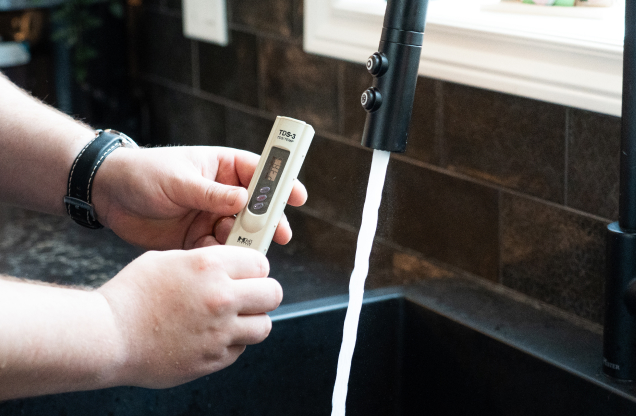
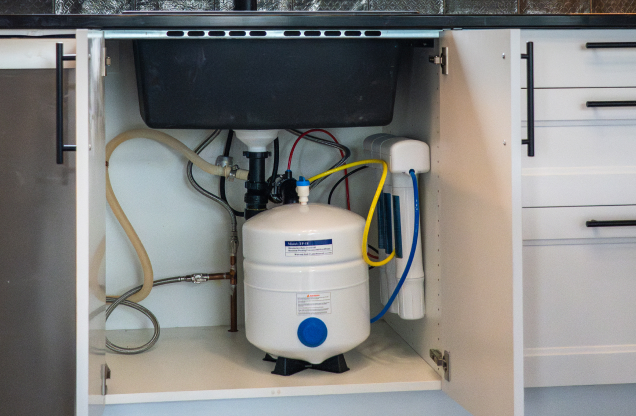
Reverse osmosis systems are typically installed under the kitchen sink to provide a dedicated source of cleaner drinking water for everyday use.
Nelson Water helps Ottawa homeowners choose the right RO system based on water quality, household needs, and available installation space.


Why Choose
Nelson Water?
Nelson Water has been a trusted leader in the water treatment industry for over three decades. We are committed to excellence and customer satisfaction. Our extensive experience and dedication to quality ensure that your water treatment needs are met with expertise and reliability, making us the premier choice for water solutions in your area.
What Do Our
Customers Say?
Reverse Osmosis System FAQs
Welcome to our comprehensive FAQ section, designed to answer all your questions about reverse osmosis systems.
What is a reverse osmosis (RO) system and how does it work?
Reverse osmosis (RO) is a water purification process that uses a semipermeable membrane to remove ions, molecules, and larger particles from drinking water. RO systems effectively reduce a wide range of contaminants, including dissolved salts, minerals, and microorganisms, providing you with cleaner, better-tasting water. This makes it a top choice for residential water purification.
What are the benefits of installing a reverse osmosis water filter in my home?
Can a reverse osmosis system remove bacteria and viruses from my water?
Yes, reverse osmosis systems are highly effective at removing bacteria, viruses, and other microorganisms from water. The RO membrane acts as a barrier, preventing these contaminants from passing through and ensuring safer drinking water.
How often should I change the filters in my reverse osmosis system?
Is reverse osmosis water good for you?
Yes. Reverse osmosis water is widely used for drinking because it helps reduce many dissolved contaminants that can affect water quality, taste, and clarity.
Reverse osmosis systems use a semi-permeable membrane and multiple filtration stages to reduce substances such as chlorine, lead, fluoride, nitrates, dissolved solids, and other contaminants depending on the system design.
Many Ottawa homeowners choose reverse osmosis systems to improve drinking water quality for everyday use, including water for cooking, coffee, tea, and ice.
Does reverse osmosis remove fluoride?
Yes. Reverse osmosis systems are commonly used to reduce fluoride in drinking water.
Unlike many basic filters, reverse osmosis uses an ultra-fine membrane that can reduce a wide range of dissolved contaminants, including fluoride, dissolved solids, nitrates, and certain heavy metals.
Performance can vary depending on the system type, membrane condition, and water quality.
What does reverse osmosis remove?
A reverse osmosis system can reduce many dissolved contaminants that may affect drinking water quality, taste, and clarity.
Depending on the system and water conditions, reverse osmosis may help reduce:
- Chlorine
- Fluoride
- Lead
- Nitrates
- Dissolved solids
- Certain heavy metals
- Some bacteria and microorganisms
- Unpleasant taste and odour compounds
Reverse osmosis is typically used as a dedicated drinking water solution installed at the kitchen tap.
Is reverse osmosis water the same as distilled water?
No. Reverse osmosis water and distilled water are treated differently, although both are designed to improve water purity.
Reverse osmosis uses pressure and a semi-permeable membrane to reduce dissolved contaminants, while distillation works by boiling water and collecting the condensed steam.
Reverse osmosis systems are more commonly used in homes because they provide filtered drinking water directly at the tap without the energy demands associated with distillation.