
Residential
Water Filter Systems
Transform Your
Home's Water Quality
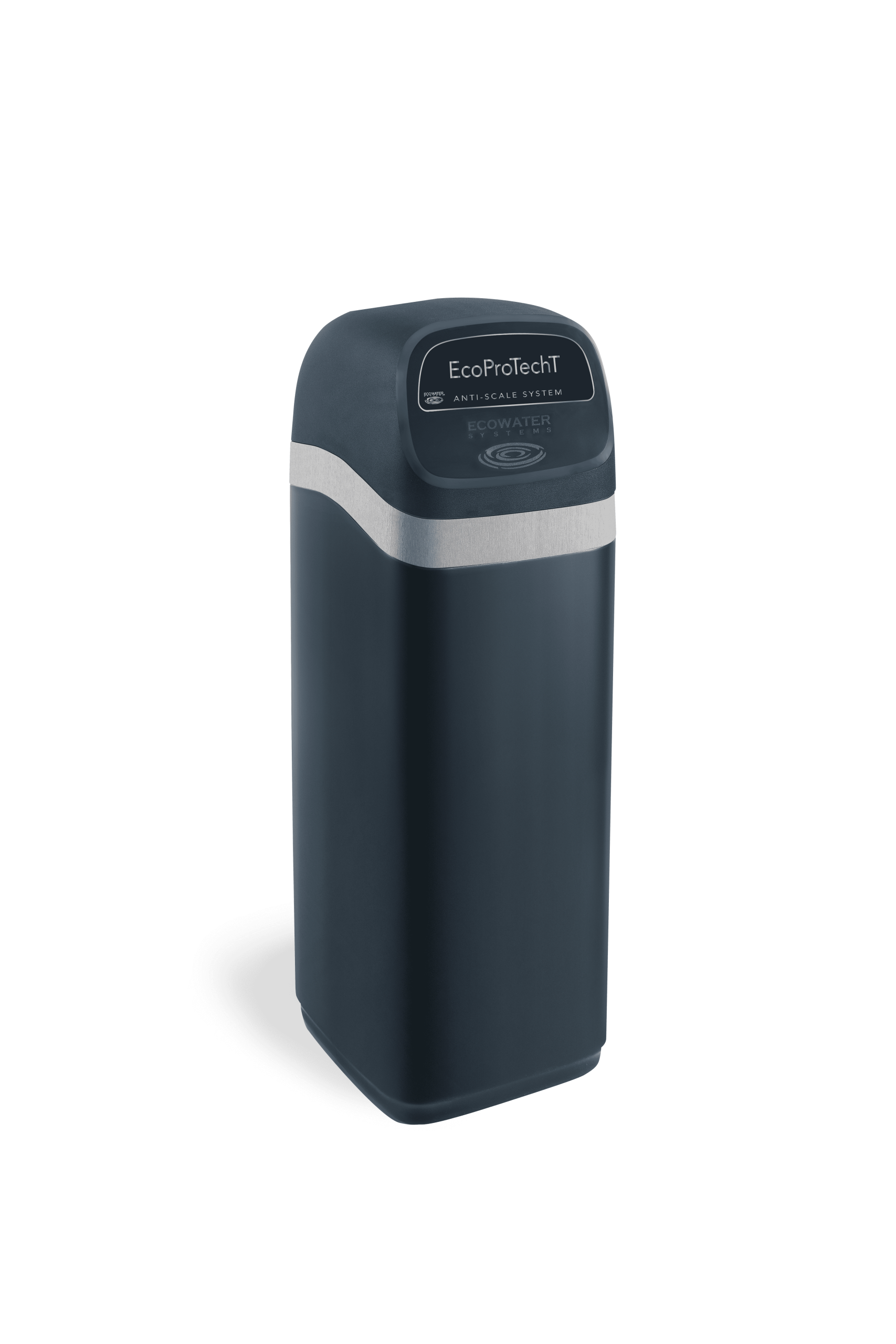
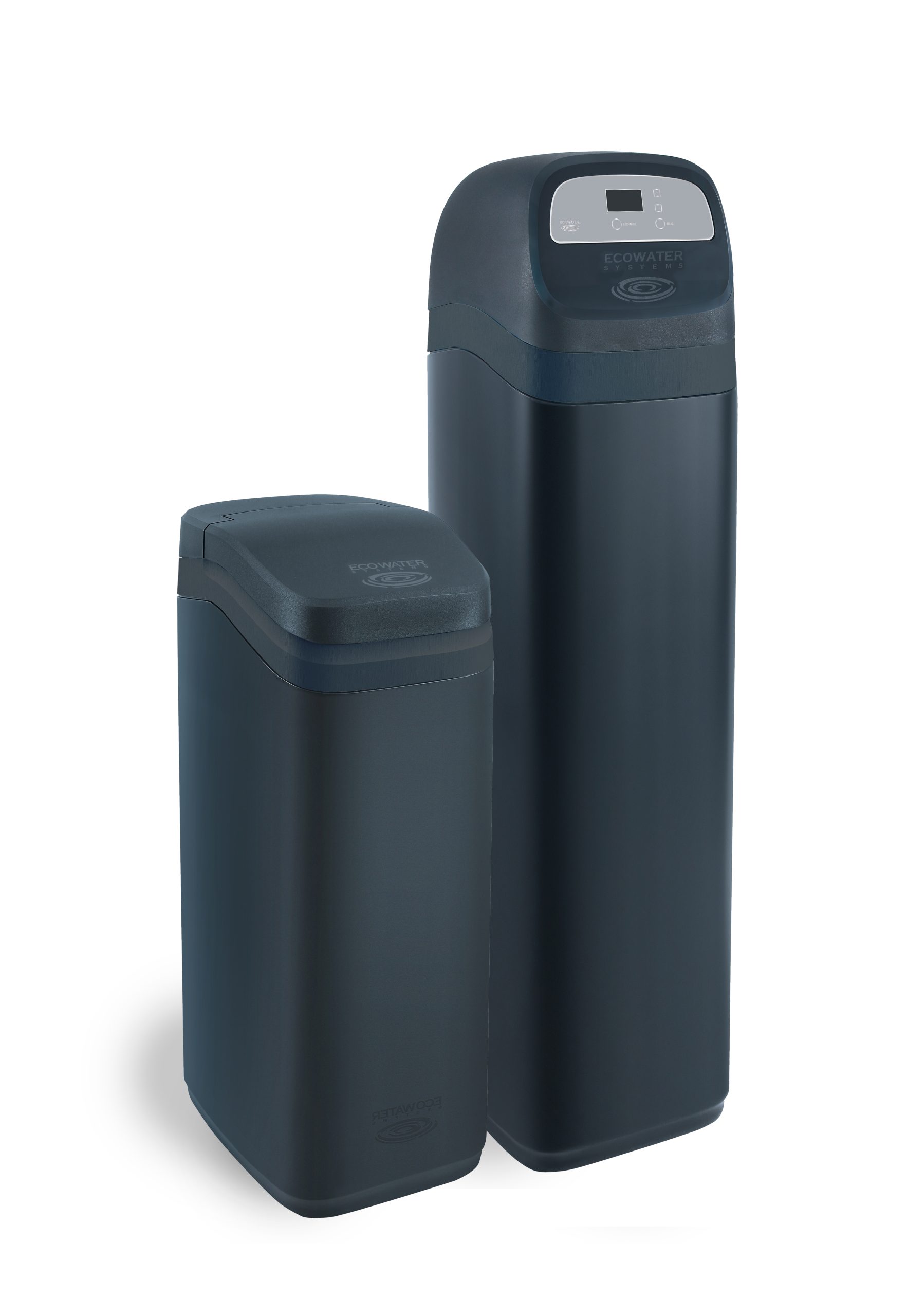
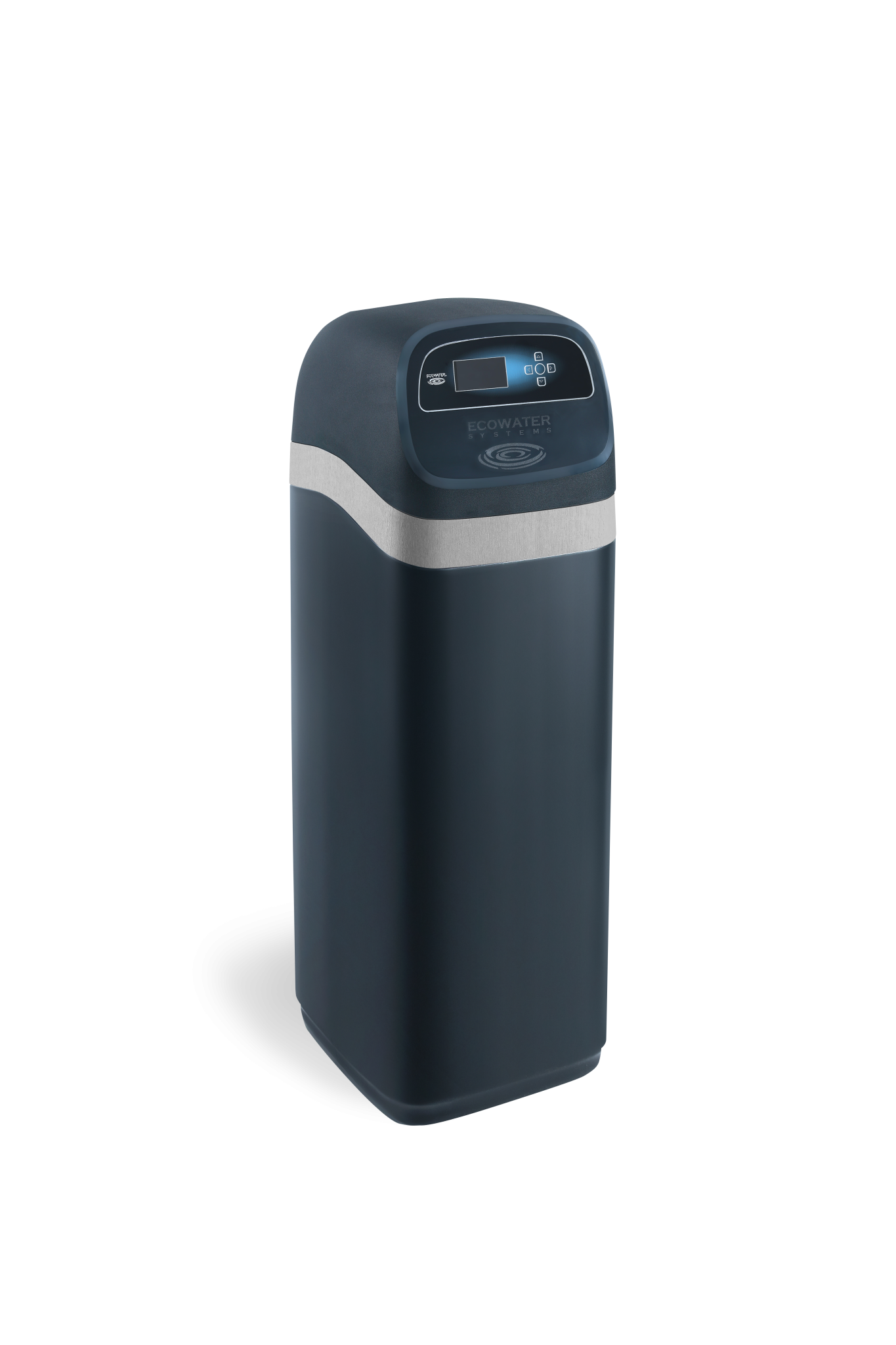
Experience the difference with Nelson Water’s residential water filters, designed to provide you with clean, great-tasting water right from your tap. Our advanced filtration technology effectively removes impurities and contaminants, ensuring that every drop of water you use is safe and pure. Trust Nelson Water to deliver high-quality water filter solutions tailored to your specific needs.
Benefits of
Water Filters
- Improved Water Quality
- Enhanced Taste and Odour
- Extended Appliance Lifespan
- Healthier Skin and Hair
- Cost Savings
- Environmental Benefits
When a Residential Water Filter Makes Sense
A residential water filter makes sense when your water has taste, odour, sediment, staining, or clarity issues that affect how it looks, smells, or feels in daily use.
Different filters are designed for different problems. Some reduce chlorine taste from municipal water, while others help with sediment, iron, sulfur, tannins, or other well water concerns. The right filter depends on your water source and what your water test shows.
Many homeowners in Ottawa and surrounding communities consider water filters when they notice:
Unpleasant Taste or Odour
Water that tastes like chlorine, metal, sulfur, or earthiness may need filtration designed for the source of the issue.
01Unpleasant Taste or Odour
Water that tastes like chlorine, metal, sulfur, or earthiness may need filtration designed for the source of the issue.
Sediment or Cloudy Water
Visible particles, cloudy water, or grit in taps can point to sediment that should be filtered before it reaches your fixtures.
02Sediment or Cloudy Water
Visible particles, cloudy water, or grit in taps can point to sediment that should be filtered before it reaches your fixtures.
Staining or Discolouration
Orange, brown, or dark staining may suggest iron, manganese, tannins, or other water quality issues that need targeted filtration.
03Staining or Discolouration
Orange, brown, or dark staining may suggest iron, manganese, tannins, or other water quality issues that need targeted filtration.
Better Everyday Water Quality
Many homeowners install filters to improve the water they use for drinking, cooking, laundry, bathing, and daily household use.
04Better Everyday Water Quality
Many homeowners install filters to improve the water they use for drinking, cooking, laundry, bathing, and daily household use.
Why Choose
Nelson Water?
Nelson Water has been a trusted leader in the water treatment industry for over three decades. We are committed to excellence and customer satisfaction. Our extensive experience and dedication to quality ensure that your water treatment needs are met with expertise and reliability, making us the premier choice for water solutions in your area.
What Do Our
Customers Say?
What Do Our
Customers Say?
This kind of customer service is priceless, and exactly why people should choose Nelson Water over the competition.
Residential Water Filters FAQs
Find clear answers about how home water filters work, what they treat, and how to choose the right system for your water.
What are the different types of residential water filters?
The main types of residential water filters include sediment filters, carbon filters, iron filters, reverse osmosis systems, UV systems, and whole-home filtration systems.
Each filter solves a different water problem. Sediment filters reduce dirt and particles, carbon filters improve taste and odour, iron filters help with staining, reverse osmosis improves drinking water quality, and UV systems help with bacteria concerns. Many homes use more than one type of filter depending on their water test results.
What is the best water filter system for a home?
The best water filter system for a home depends on your water source and the specific issue you want to fix.
For example: For city water, carbon filtration or reverse osmosis is often used to improve taste and reduce chlorine. For well water, homeowners may need sediment filtration, iron removal, UV treatment, or a whole-home system.
A water test is the best way to choose the right system instead of guessing.
How do water filters work?
Water filters work by passing water through a filter media that captures, reduces, or treats unwanted substances.
Different filters work in different ways. Sediment filters physically trap particles, carbon filters absorb chlorine and odours, reverse osmosis systems push water through a fine membrane, and UV systems use ultraviolet light to neutralize microorganisms. The right process depends on what needs to be treated.
How long do residential water filters last?
Residential water filters can last anywhere from a few months to several years depending on the type of filter, water usage, and water quality.
Sediment and carbon cartridges may need replacement every few months, while reverse osmosis membranes can last several years. Whole-home filtration media may last longer but still requires regular maintenance. Homes with higher sediment, iron, or heavy water usage may need more frequent service.
Do water filters remove chlorine?
Yes. Carbon filters are commonly used to reduce chlorine taste and odour from municipal water.
Chlorine is often added during municipal water treatment, but some homeowners dislike the taste or smell it leaves behind. A properly selected carbon filter can improve drinking water taste and make household water feel cleaner and more pleasant to use.
Do I need a different water filter for well water and city water?
Yes. Well water and municipal water often require different treatment approaches.
Well water systems commonly address iron, sulfur, sediment, tannins, bacteria, and hardness concerns. Municipal water filtration is more frequently focused on chlorine reduction, taste improvement, and drinking water quality.
Even homes in the same area may require different solutions depending on their water profile.
Can a residential water filter improve taste and odour?
Yes. Water filters are commonly installed to improve drinking water taste and reduce unpleasant odours.
Chlorine, sulfur, iron, organic compounds, and other substances can affect flavour and smell. The right filtration system depends on what is causing the issue.
Many homeowners notice improved taste, cleaner water, and fewer odour concerns after installing the appropriate filtration system.
How much space is needed for a residential water filter system?
Space requirements depend on the system type and the amount of treatment required.
Small drinking water filters may fit under a sink, while whole-home systems are typically installed in basements, utility rooms, garages, or mechanical spaces.
Homes using multiple treatment stages may require additional installation space.