Water Softener 101

What Is a Water Softener?


A water softener is a water treatment system designed to reduce the calcium and magnesium minerals that cause hard water. As water enters your home, it passes through the softener before reaching your taps, showers, appliances, and plumbing. 


By reducing these hardness minerals, a water softener helps minimize scale buildup, soap scum, spotting on dishes, dry skin, dull hair, and premature wear on household appliances.


Rather than filtering the water, a water softener uses a process called ion exchange to remove hardness minerals. This process helps improve the quality of your water while protecting your home’s plumbing system and water-using equipment.

Water Softening Process

How a Water Softener Works

A water softener uses ion exchange to reduce the calcium and magnesium minerals that cause hard water. The illustration below shows how water moves through the system, how hardness minerals are captured, and how the resin is recharged during regeneration.
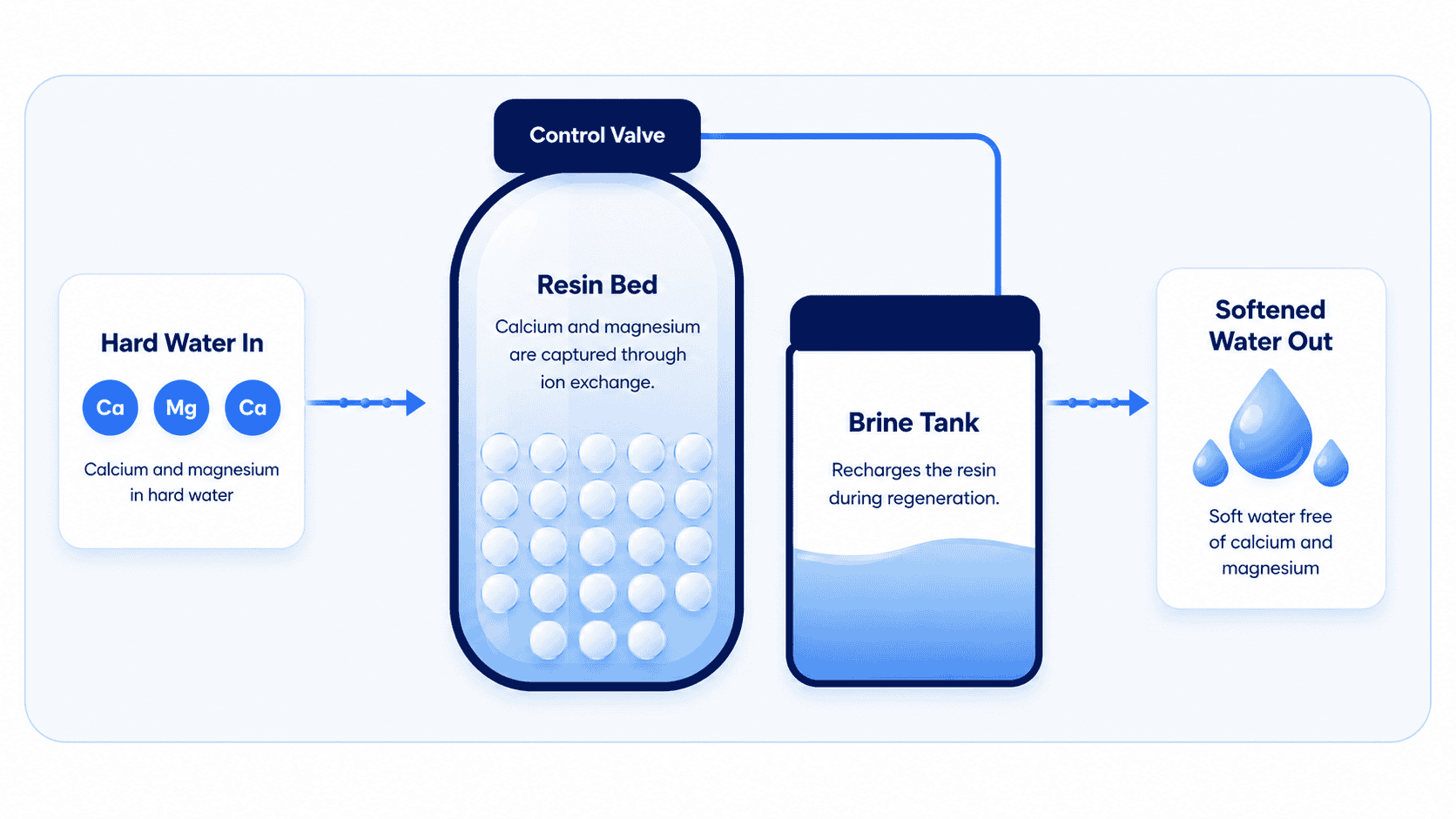
Diagram showing how a water softener works, including hard water entering, ion exchange in the resin bed, the brine tank, and softened water leaving the system
01

Hard Water Enters

Water containing dissolved calcium and magnesium flows into the mineral tank.

02

Ion Exchange Begins

Resin beads attract and hold hardness minerals while releasing sodium or potassium ions.

03

Soft Water Leaves

Treated water exits the tank and flows through the home’s plumbing, fixtures, and appliances.

04

The System Regenerates

The brine solution flushes away captured minerals and recharges the resin for the next softening cycle.
Water Softener Capabilities

What Does a Water Softener Remove?

Water softeners are specifically designed to reduce hardness minerals through ion exchange. While they are highly effective for treating hard water, they are not intended to remove every type of water contaminant. Understanding what a water softener can and cannot treat helps you choose the right water treatment system for your home.

A Water Softener Helps Reduce

Calcium

One of the primary minerals responsible for hard water, scale buildup, and white residue on fixtures.

Magnesium

Another hardness mineral that contributes to soap scum, spotting, and reduced soap performance.

Some Dissolved Iron

Certain systems can reduce small amounts of clear-water iron, depending on the concentration, water conditions, and system type.

A Water Softener Does Not Typically Remove

  • Bacteria and viruses
  • Chlorine
  • Sediment
  • Sulfur or hydrogen sulfide
  • Nitrates and PFAS
  • Most heavy metals and dissolved contaminants

These concerns may require dedicated treatment such as whole-home filtration, reverse osmosis, UV disinfection, or another specialized water treatment system.

Good to Know

Water Softeners Are One Part of a Complete Water Treatment System

If your water contains bacteria, sulfur odours, sediment, chlorine, or other contaminants, additional treatment such as UV disinfection, filtration, or reverse osmosis may be recommended alongside a water softener.

Water Softener Regeneration

How Does a Water Softener Regenerate?

As a water softener captures calcium and magnesium, the resin beads gradually become saturated with hardness minerals. Regeneration is the cleaning and recharging cycle that restores the resin so the system can continue softening water effectively. During regeneration, the control valve directs a concentrated brine solution through the resin tank. The sodium ions in the brine displace the captured calcium and magnesium, which are then flushed from the system. The resin is rinsed, the brine tank is refilled, and the softener returns to normal operation.

01

Backwash

Water flows through the resin bed in reverse to loosen debris and prepare the tank for regeneration.

02

Brine Draw

Saltwater from the brine tank enters the mineral tank and begins recharging the resin.

03

Ion Exchange Reverses

Sodium ions replace the calcium and magnesium held by the resin beads.

04

Rinse and Flush

Captured hardness minerals and excess brine are flushed from the system and sent to the drain.

05

Return to Service

The brine tank refills and the system resumes supplying softened water throughout the home.

How Often Does Regeneration Happen?

Regeneration frequency depends on water hardness, household water use, system capacity, and how the softener is programmed. Demand-initiated systems regenerate based on actual water usage rather than a fixed schedule.

Signs of Hard Water

How Do You Know If You Need a Water Softener?

Hard water affects more than just your water. Over time, calcium and magnesium minerals can accumulate throughout your plumbing system, creating scale buildup, reducing appliance efficiency, making soaps and detergents less effective, and leaving behind spots, residue, and other common household frustrations.

If you’re noticing several of the signs listed here, your home may benefit from a professionally selected water softener designed to address hard water at its source.

White scale buildup on faucets and fixtures

Soap scum on tubs, showers, and sinks

Dry skin and dull hair after bathing

Cloudy dishes and water spots

Reduced appliance efficiency from mineral buildup

Higher soap and detergent use

Choosing the Right System

How to Choose the Right Water Softener

Not every home requires the same water softener. The right system depends on your household water usage, water hardness, plumbing configuration, and whether your water contains additional concerns such as iron or sediment. Choosing a properly sized and configured system helps support consistent performance, efficient regeneration, and reliable long-term operation.

01

Water Hardness

The hardness level of your water determines how much treatment capacity the system needs to reduce calcium and magnesium effectively.

02

Household Water Usage

The number of people in your home and your daily water consumption influence system size, capacity, and regeneration frequency.

03

Well Water vs. Municipal Water

Private well water may contain iron, manganese, sediment, or other conditions that require additional treatment alongside softening.

04

Additional Water Quality Concerns

If testing identifies bacteria, sulfur, chlorine, sediment, or other contaminants, the softener may need to work with filtration, UV treatment, or reverse osmosis.

Professional Testing Removes the Guesswork

By understanding your water conditions, household size, and treatment goals, a water softener can be selected and configured to match your home’s actual needs.

Our Water Softener Solutions


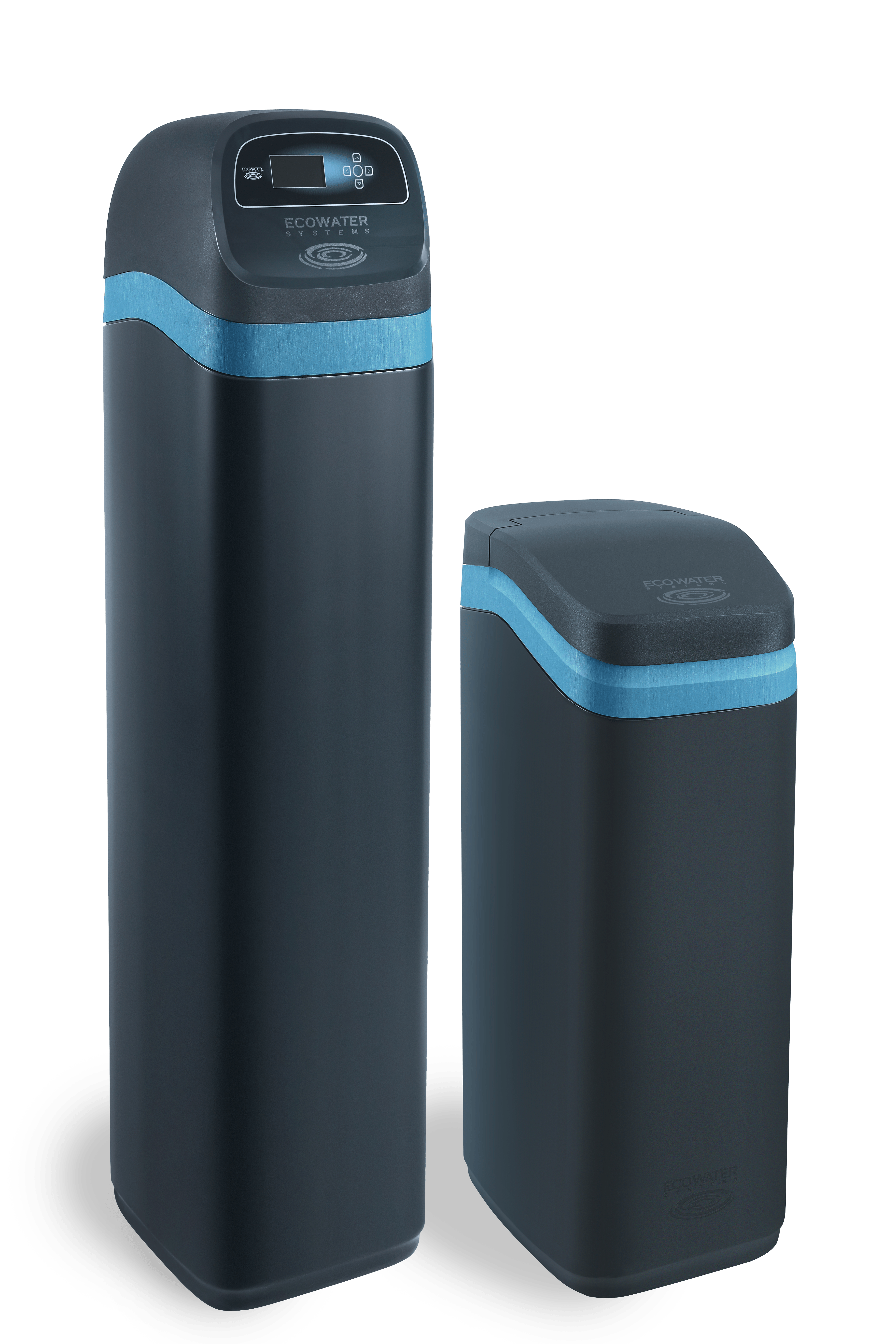
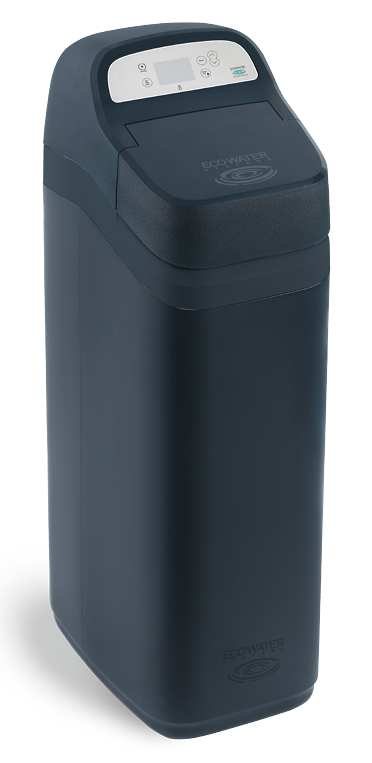
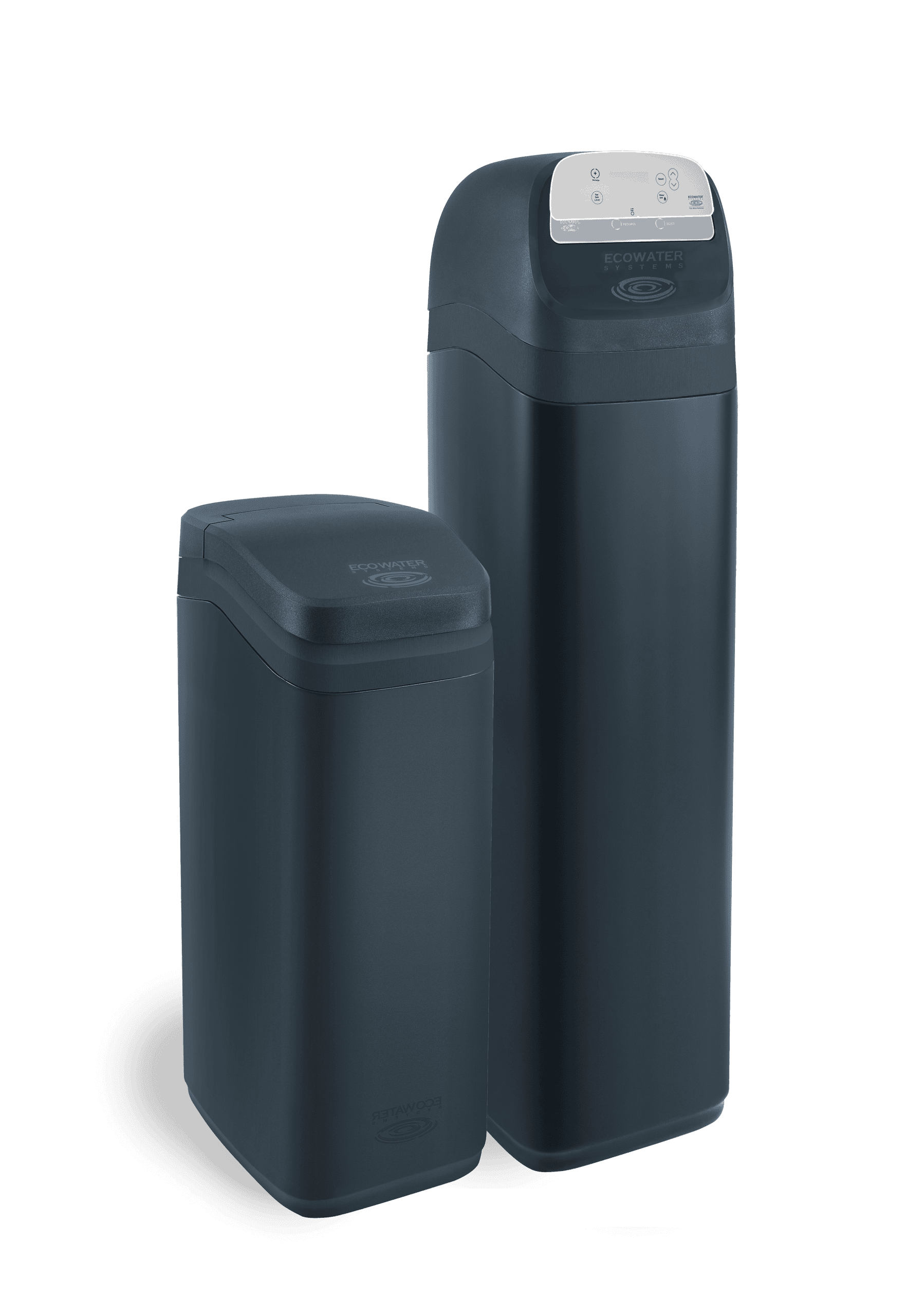
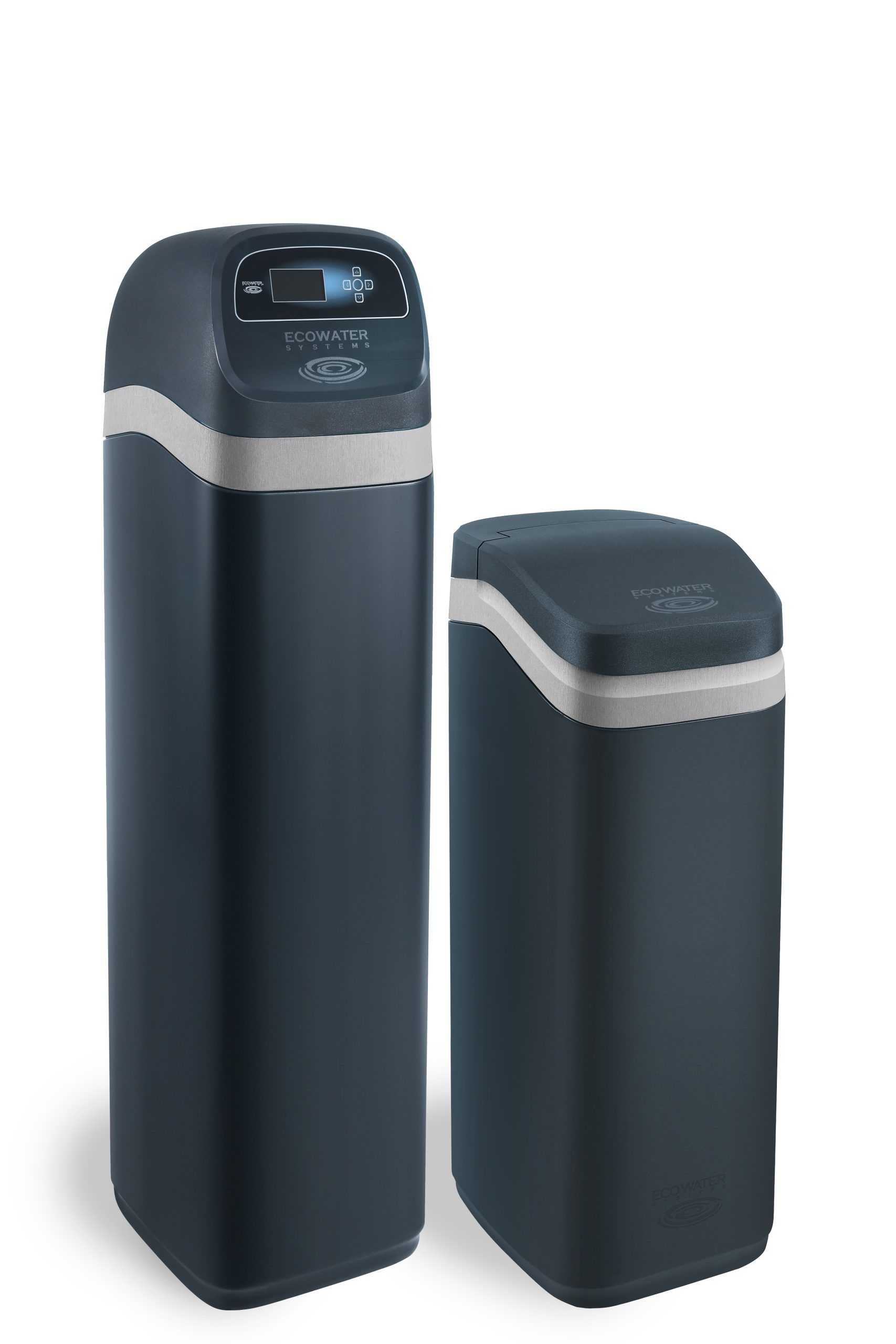
Our residential and commercial water softener solutions are designed to tackle hard water issues for homes and businesses alike. From improving water quality and extending appliance life to reducing scale buildup and enhancing efficiency, Nelson Water provides reliable, tailored systems to meet your needs.

Our Water Softeners

Why Choose 

Nelson Water?

Nelson Water has been a trusted leader in the water treatment industry for over three decades. We are committed to excellence and customer satisfaction. Our extensive experience and dedication to quality ensure that your water treatment needs are met with expertise and reliability, making us the premier choice for water solutions in your area.

Water Systems Installed
0 k+
Satisfied Customers
0 k+
Years in Business
0 +

What Do Our
Customers Say?

Water Softener FAQs

Find answers to common questions about how water softeners work, what they remove, regeneration, salt usage, maintenance, lifespan, and whether a water softener is the right solution for your home.

How does a water softener work?

A water softener works by using a process called ion exchange to reduce the calcium and magnesium minerals that cause hard water. As water flows through the mineral tank, resin beads capture hardness minerals and release sodium or potassium ions in their place. Once the resin becomes saturated, the system automatically regenerates using a brine solution to recharge the resin so it can continue softening water.

A water softener primarily removes calcium and magnesium, the two minerals responsible for hard water. Some systems can also reduce small amounts of dissolved (ferrous) iron under the right water conditions. However, water softeners are not designed to remove bacteria, chlorine, sediment, sulfur, or most other contaminants, which typically require dedicated water treatment systems.

A water softener regenerates as needed based on water usage or a programmed schedule, depending on the type of system. Modern demand-initiated systems monitor household water consumption and regenerate only when necessary, helping improve efficiency while ensuring a continuous supply of softened water.

Salt usage depends on water hardness, household water consumption, system size, and regeneration settings. Homes with harder water or higher water usage typically require more frequent regeneration and therefore use more salt. A properly sized and programmed water softener helps minimize salt consumption while maintaining effective performance.

A quality water softener typically lasts 10 to 20 years, depending on the equipment, water conditions, maintenance, and household usage. Regular maintenance, proper salt levels, and timely servicing can help maximize system performance and extend its lifespan.

Common signs include white scale buildup, soap scum, cloudy dishes, dry skin, dull hair, reduced soap lather, and mineral deposits on fixtures or appliances. If you’re experiencing several of these issues, a professional water analysis can measure your water hardness and determine whether a water softener is the right solution for your home.

Schedule a FREE Water Test

We offer a complimentary in-home water analysis to assess your water quality and identify any contaminants, hardness, or odors.

Address

Contact us today to schedule your free water test and take the first step toward improving your home’s water quality. We’ll get back to you as soon as possible.

6 Months
No Interest,
No Payments

Fill out the form below, and we will be in touch shortly.

Address(Required)

30 Day Free Trial of Bottled Water

Fill out the form below, and we will be in touch shortly.

Address(Required)