
Hard Water Problems
& Treatments
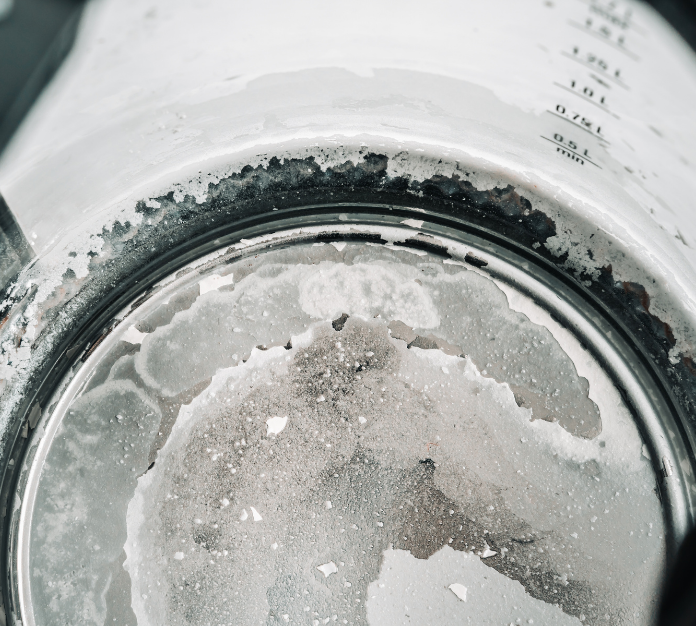
If your shower walls develop stubborn soap scum, your faucets and showerheads get clogged with mineral deposits, or your freezer produces cloudy ice cubes, you are likely dealing with hard water. Over time, the high levels of calcium and magnesium in hard water can cause costly problems for your plumbing system, water heater, and home appliances. These mineral deposits, also known as limescale, restrict water flow, reduce energy efficiency, and shorten the lifespan of your equipment.
These effects also aren’t limited to your home’s infrastructure. Hard water can leave your skin feeling dry, cause spots on glassware, and make laundry stiff. Fortunately, hard water problems can be resolved with the right treatment system. By testing your water and identifying its mineral content, you can find a solution that protects your plumbing, improves appliance performance, and enhances the comfort and cleanliness of your home.
Schedule Your
FREE Hard Water Assessment
What Causes Hard Water
& How To Treat it
Causes
Treatment
The most effective solution for hard water is a water softening system. These systems work by replacing calcium and magnesium ions with sodium or potassium ions through a process called ion exchange. Depending on your needs, you may choose a whole-home water softener or a point-of-use system. Installing a water softener can extend the life of your plumbing, improve appliance performance, and make your water feel softer and cleaner. Our team can help you select and install the right system to restore your water quality.
How to Remove Hard
Water Stains
For a natural cleaning solution, fill an empty spray bottle with equal parts water and white vinegar. Spray the mixture directly onto the stain and allow it to sit for 5 to 15 minutes. Use a small brush, such as a toothbrush, to gently scrub the surface. Then, wipe the area with a damp cloth or rinse it thoroughly with clean water to remove any vinegar residue. If the stain is still visible, you can create a paste by mixing baking soda with the vinegar solution in a bowl.