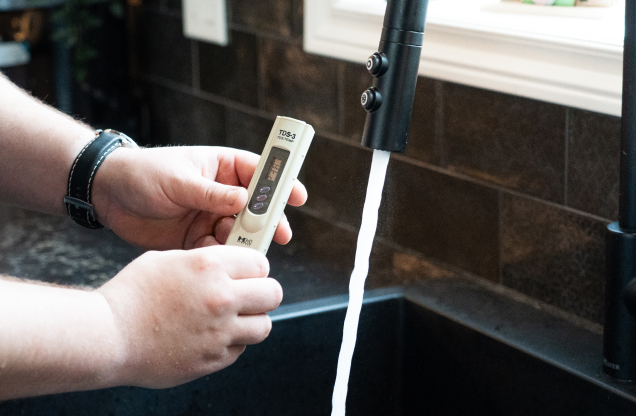
Wondering What’s Wrong With Your Water?
Common Water Problems
in Ottawa Homes
From dry skin and iron staining to odours, discolouration, and hard water buildup, Nelson Water has been analyzing Ottawa’s water for over 40 years. We help homeowners identify what’s wrong with their water and find the right treatment solution.
Understand Your Water Problems
Different Water Problems Often Have Different Causes
Nelson Water has been helping homeowners understand and solve water quality problems since 1985. While symptoms such as staining, odours, dry skin, cloudy water, or low pressure may seem straightforward, the underlying cause is not always obvious.
The same symptom can be caused by several different water conditions, while different symptoms can often stem from the same issue. That’s why identifying the source of the problem is the first step toward finding the right solution.
Explore the common water problems below to better understand what may be affecting your home’s water.
Find Your Water Problem
Water quality issues often reveal themselves through visible symptoms long before the underlying cause is identified. Understanding what you’re seeing, smelling, or experiencing can help narrow down the source of the problem and guide you toward the right treatment solution. Explore the common water problems below to better understand what may be affecting your home’s water.
Hard Water
Hard water is usually caused by elevated calcium and magnesium minerals. Over time, it can leave white scale on faucets, create soap scum, make dishes look spotted, and contribute to dry skin, dull hair, and appliance buildup throughout the home.
Learn More →
Iron in Water
Iron in water often shows up as orange stains, rust-coloured marks, metallic taste, or discolouration on fixtures, sinks, tubs, and laundry. It is especially common in well water and usually requires targeted testing before treatment.
Learn More →
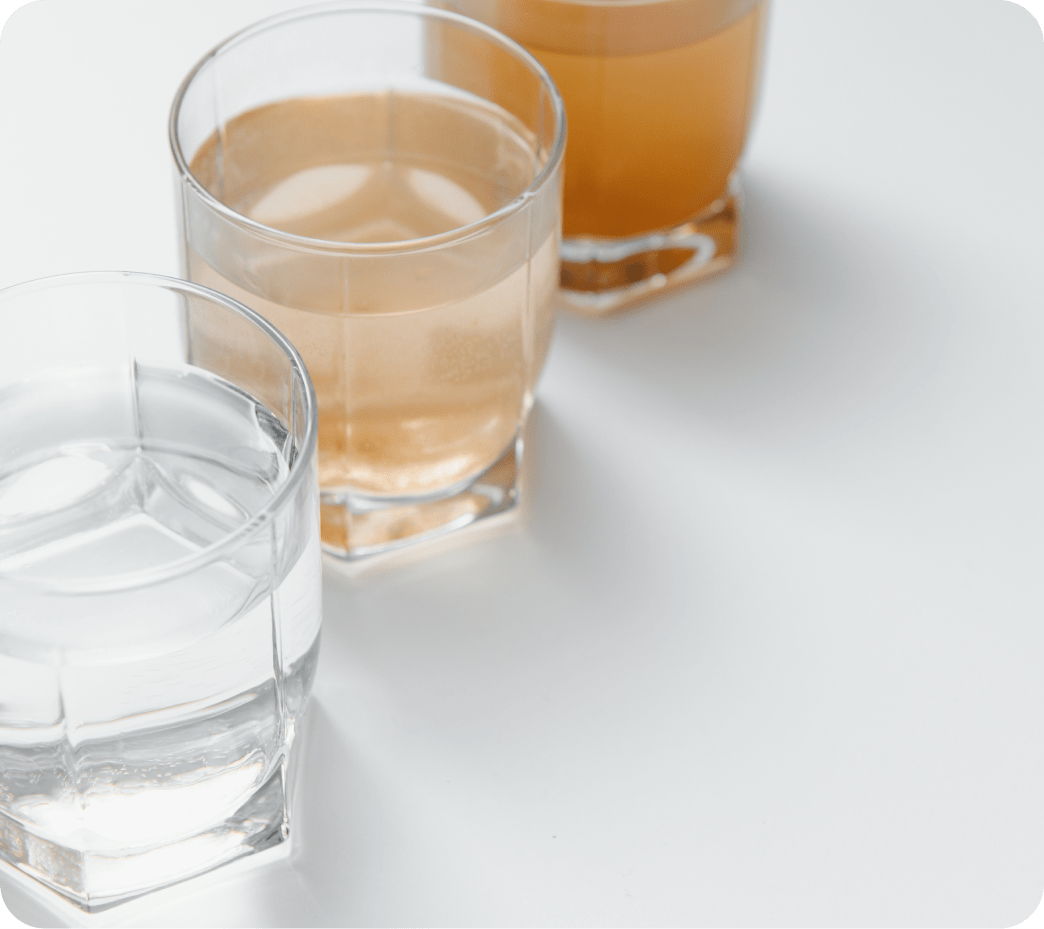
Rusty or Discoloured Water
Brown, yellow, cloudy, or tinted water can be caused by sediment, iron, tannins, plumbing corrosion, or changing well water conditions. The colour of the water can provide clues, but testing helps identify the real source.
Learn More →
Foul Odours & Tastes
Rotten egg smells, musty odours, metallic taste, or unpleasant water flavour may be linked to sulfur, bacteria concerns, minerals, or other naturally occurring water conditions. Odour issues are common in private well water homes.

Low Water Pressure
Low water pressure can come from several causes, including pressure tanks, well pumps, clogged filters, plumbing restrictions, sediment buildup, or treatment equipment issues. Identifying where the pressure drops helps determine the right fix.
Learn More →
Dry Hair & Skin
Dry skin, dull hair, irritation, or a residue-like feeling after bathing can often be connected to hard water minerals. These minerals can make soap less effective and leave buildup behind on skin, hair, and shower surfaces.

The Right Fix Starts With the Right Diagnosis
Recognizing a water problem is only the first step. Understanding what’s causing it is often more important. That’s where water analysis comes in.
A professional water analysis removes the guesswork and gives you a clearer picture of what’s affecting your water. With accurate results, you can better understand your home’s needs and choose a treatment solution that addresses the actual problem.
Water analysis can help identify:
- Hardness minerals causing scale buildup
- Iron, manganese, or tannins behind staining
- Sulfur or bacteria concerns behind odours
- Sediment, cloudiness, or discolouration issues
- pH or water balance concerns
- Which treatment system actually makes sense
Why Choose
Nelson Water?
Nelson Water has been a trusted leader in the water treatment industry for over three decades. We are committed to excellence and customer satisfaction. Our extensive experience and dedication to quality ensure that your water treatment needs are met with expertise and reliability, making us the premier choice for water solutions in your area.
Satisfied Customers


Common Water Problem FAQs
Find answers to common water problem questions, including causes, symptoms, testing, and when water analysis may be needed.
How do I know if I have a water problem?
Common signs include staining around fixtures, unpleasant odours, cloudy water, dry skin, spotting on dishes, scale buildup, unusual tastes, or low water pressure. While symptoms can indicate a water problem, testing is often the best way to identify the underlying cause.
Why does my water smell like rotten eggs?
A rotten egg smell is commonly associated with sulfur compounds in the water, but it can also be related to bacteria concerns or other naturally occurring conditions. The source of the odour can vary depending on the water supply and household plumbing.
What causes orange or brown stains around sinks and fixtures?
Orange, reddish-brown, or rust-coloured staining is often associated with iron in the water. In some cases, manganese, sediment, or other naturally occurring minerals may also contribute to discolouration and staining.
Why is my water cloudy or discoloured?
Cloudy, yellow, brown, or tinted water can be caused by several factors, including sediment, iron, tannins, air in the water, or plumbing-related issues. The appearance of the water alone does not always reveal the exact cause.
Can hard water cause dry skin and dull hair?
Yes. Hard water contains elevated levels of calcium and magnesium minerals that can make soap less effective and leave residue behind. Many homeowners notice dry skin, dull hair, soap scum, spotting, and scale buildup as common signs of hard water.
Why is my water pressure suddenly lower than normal?
Low water pressure can result from several issues, including clogged filters, pressure tank problems, well pump concerns, plumbing restrictions, sediment buildup, or equipment that requires maintenance. Identifying where the pressure loss occurs can help determine the cause.
Can water problems change over time?
Yes. Water conditions can change due to seasonal variations, changes in groundwater conditions, aging plumbing, well system issues, or changes in municipal water treatment processes. A water problem that appears suddenly may indicate a change in water conditions.
How can I find out what is causing my water problem?
The most reliable way is through professional water analysis. While symptoms can provide helpful clues, testing helps identify the specific water conditions affecting your home and provides a clearer understanding of what treatment options may be appropriate.