At Nelson Water, we’ve spent decades helping homeowners in Ottawa and the surrounding areas improve their water quality with tailored solutions. A frequent concern we encounter is whether a Brita filter can remove the sodium that gets added to water during the softening process.
In this article, we’ll clarify how water softeners work, why sodium is introduced, and what solutions are best suited for reducing sodium in your drinking water.
Why Does Softened Water Contain Salt?
Water softeners use a process known as ion exchange, which removes hard minerals like calcium and magnesium from your water and replaces them with sodium ions.
This process is highly effective in reducing water hardness, which in turn prevents scale buildup in your pipes and improves the efficiency of your water-using appliances.
However, as a result of this process, small amounts of sodium remain in the softened water. The actual amount of sodium added to the water depends on the hardness of your source water.
For example, households in Ottawa and nearby areas often have hard water that requires more sodium to soften effectively.
Most softened water contains around 300 mg/L of sodium, which is relatively low and generally considered safe for consumption. For comparison, this is about the same amount of sodium found in a couple of slices of bread. However, if you’re on a low-sodium diet, you might want to explore alternatives to reduce your sodium intake from water.
Can a Brita Filter Remove Salt?
Despite their popularity for improving taste and reducing chlorine, Brita filters and other similar carbon filters are not designed to remove dissolved salts like sodium from water. Brita filters excel at removing certain contaminants such as chlorine and organic particles but are ineffective when it comes to sodium ions.
So, if you’re hoping a Brita filter will reduce the sodium in your softened water, unfortunately, it won’t. However, there are better alternatives to manage sodium levels in your water.
How Much Sodium Is in Softened Water?
The actual sodium content in softened water is minimal. For example, with water hardness at about 5 grains per gallon (gpg), only about 37 milligrams of sodium are added to each quart of water. To put this in perspective, a single slice of white bread contains about 170 mg of sodium—far more than what’s found in a glass of softened water.
That said, if your water hardness exceeds 400 ppm (parts per million), you may notice a higher sodium content. In such cases, it’s essential to explore additional options for sodium reduction.
Alternatives to Brita Filters for Reducing Sodium
If you’re concerned about sodium intake from softened water, here are a few effective alternatives:
Reverse Osmosis (RO) Systems
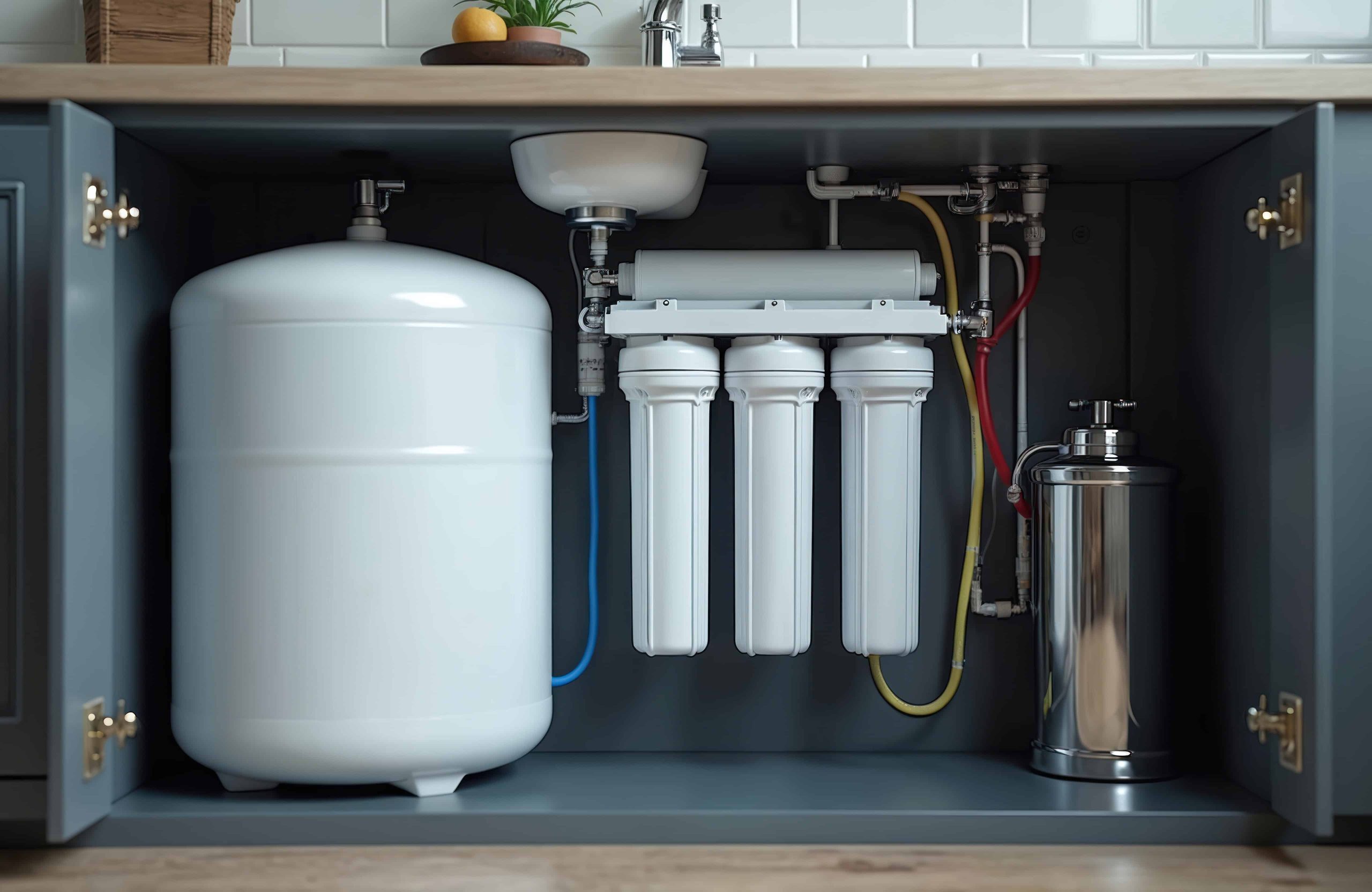
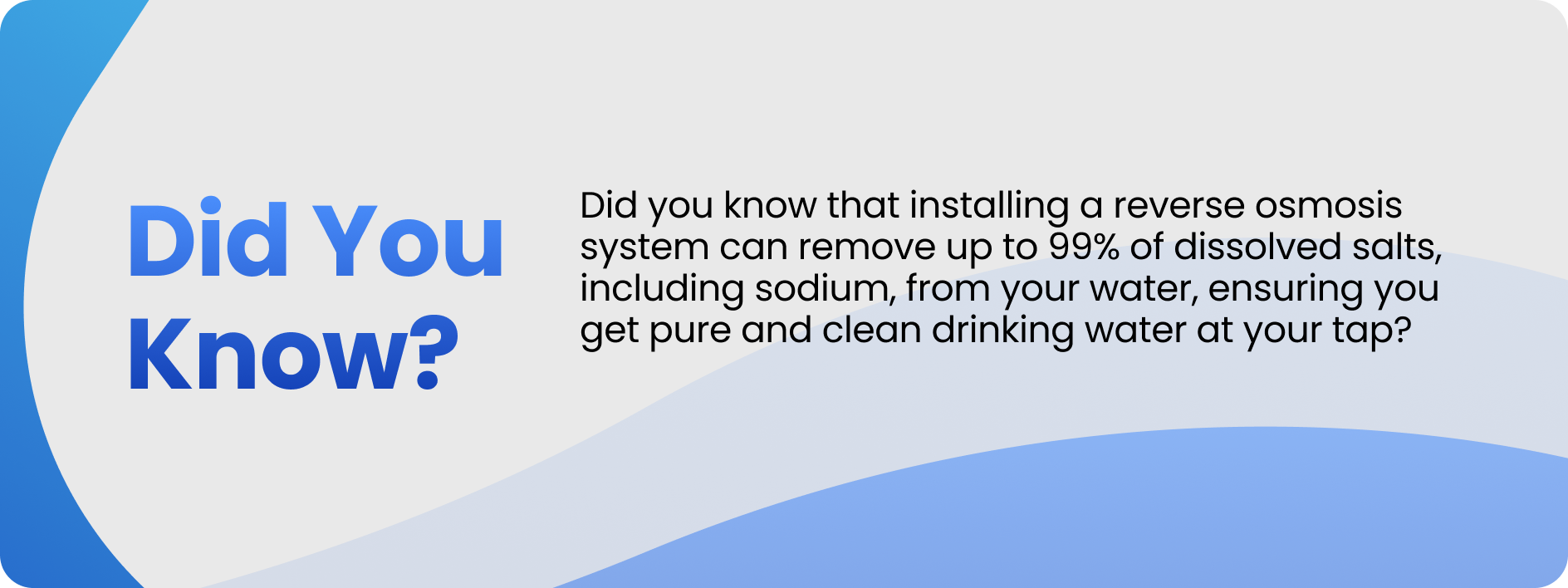
RO systems are highly effective at removing sodium and other dissolved solids from your water. These systems force water through a semi-permeable membrane, which blocks sodium and other impurities. Nelson Water offers both point-of-use and whole-home RO systems, depending on whether you want purified water at just your kitchen tap or throughout your entire home.
Potassium Chloride as a Substitute
Instead of using sodium chloride (common salt) in your water softener, you can switch to potassium chloride. Potassium chloride functions similarly in the ion exchange process but without adding sodium to your water. While potassium chloride tends to be more expensive, it’s an effective solution for those looking to avoid sodium altogether.
Final Thoughts
While a Brita filter won’t remove the sodium in softened water, reverse osmosis systems or switching to potassium chloride in your softener can effectively reduce sodium content. If sodium levels in your water are a concern for health or dietary reasons, Nelson Water offers tailored solutions to ensure your water is safe, clean, and enjoyable for the whole family.
We recommend scheduling a free water test to determine the exact composition of your water and to explore the best options for your home.