
We’ve encountered all sorts of water quality issues over the past three decades in the industry, and one that regularly comes up is sulfur contamination. The telltale “rotten egg” odour of sulfur can make using your water for everyday tasks like drinking, cooking, and even bathing unpleasant.
In this blog, we’ll discuss why sulfur appears in your water, its potential effects on your health and home, how to test for it, and the best solutions for removing sulfur from your water supply.
Why is Sulfur in Your Water Supply?
Sulfur enters water in the form of hydrogen sulfide gas. It’s a common issue for many households, especially those that rely on well water. There are three primary ways sulfur can get into your water supply:
- Sulfate-reducing bacteria: These bacteria live in oxygen-poor environments like deep wells. They use sulfate as a food source, releasing hydrogen sulfide gas as a byproduct.
- Natural geological formations: Water that passes through sulfur-rich rocks and soil can dissolve the sulfur compounds and carry them into your groundwater supply.
- Water heaters: Hydrogen sulfide can also form inside your water heater if magnesium anode rods react with sulfate ions in the water, releasing hydrogen sulfide gas.
Understanding where the sulfur is coming from is the first step in addressing the problem, as different causes may require different treatment approaches.
The Problems Sulfur Causes
Sulfur’s most recognizable issue is its unpleasant odour, which can make drinking and using the water unappealing. However, sulfur can have other impacts:
Health risks
While small amounts of sulfur are not dangerous, consuming water high in sulfur can lead to stomach cramps, diarrhea, and dehydration, particularly in children, the elderly, and those with sensitive digestive systems. Long-term exposure could even result in mild digestive discomfort for healthy adults.
Damage to home fixtures
Sulfur water can cause yellow stains on plumbing fixtures, appliances, and even laundry. Over time, the sulfur content can also lead to corrosion in pipes and other plumbing systems, reducing the lifespan of your household fixtures.
These problems make it essential to address sulfur in your water promptly to ensure the safety and comfort of your household.
Are There Benefits to Ingesting Sulfur?
Sulfur is a necessary mineral that helps with the production of collagen, supporting healthy skin, hair, and nails. It’s also found in many foods, such as onions, garlic, and cruciferous vegetables, and plays a key role in the body’s detoxification processes.
However, excess sulfur in your drinking water won’t increase these benefits. Instead, large amounts of sulfur in water can cause digestive issues, as mentioned earlier. So while sulfur has health benefits in moderation, having too much from your water supply can be problematic.
What About Using Sulfur Water in Other Ways?
Sulfur water isn’t just unpleasant for drinking. It can also cause problems when used in other household tasks:
Bathing and showering: While sulfur water won’t harm your skin, the odour can linger on your body and hair, making you feel less clean. The unpleasant smell can also make bathing a less enjoyable experience.
Washing clothes: Sulfur water can leave yellow stains on laundry and make clothes smell unpleasant. Over time, it may even degrade the quality of your fabrics.
Though it’s technically safe to use sulfur water for these tasks, most people prefer not to deal with the odour and potential staining issues.

3 Simple Tests for Sulfur
While testing for sulfur professionally can be costly, here are three easy, at-home tests to help you determine if sulfur is present in your water and at what concentration:
- Front door test: If you can smell sulfur when you first walk into your home, it’s a sign that the sulfur concentration in your water is very high.
- Cold water test: Run your cold water tap in the kitchen for about 3 minutes. If the sulfur odour is present in the cold water, you likely have a moderate sulfur issue.
- Lean-in test: Lean close to the sink and try to detect any sulfur odour after running the tap. If you smell it at this point, the sulfur concentration is low.
While these tests are not conclusive, they give you a rough idea of the severity of sulfur in your water. For a more accurate reading, professional testing will still be required.

How Can You Get Rid of Sulfur in Your Water?
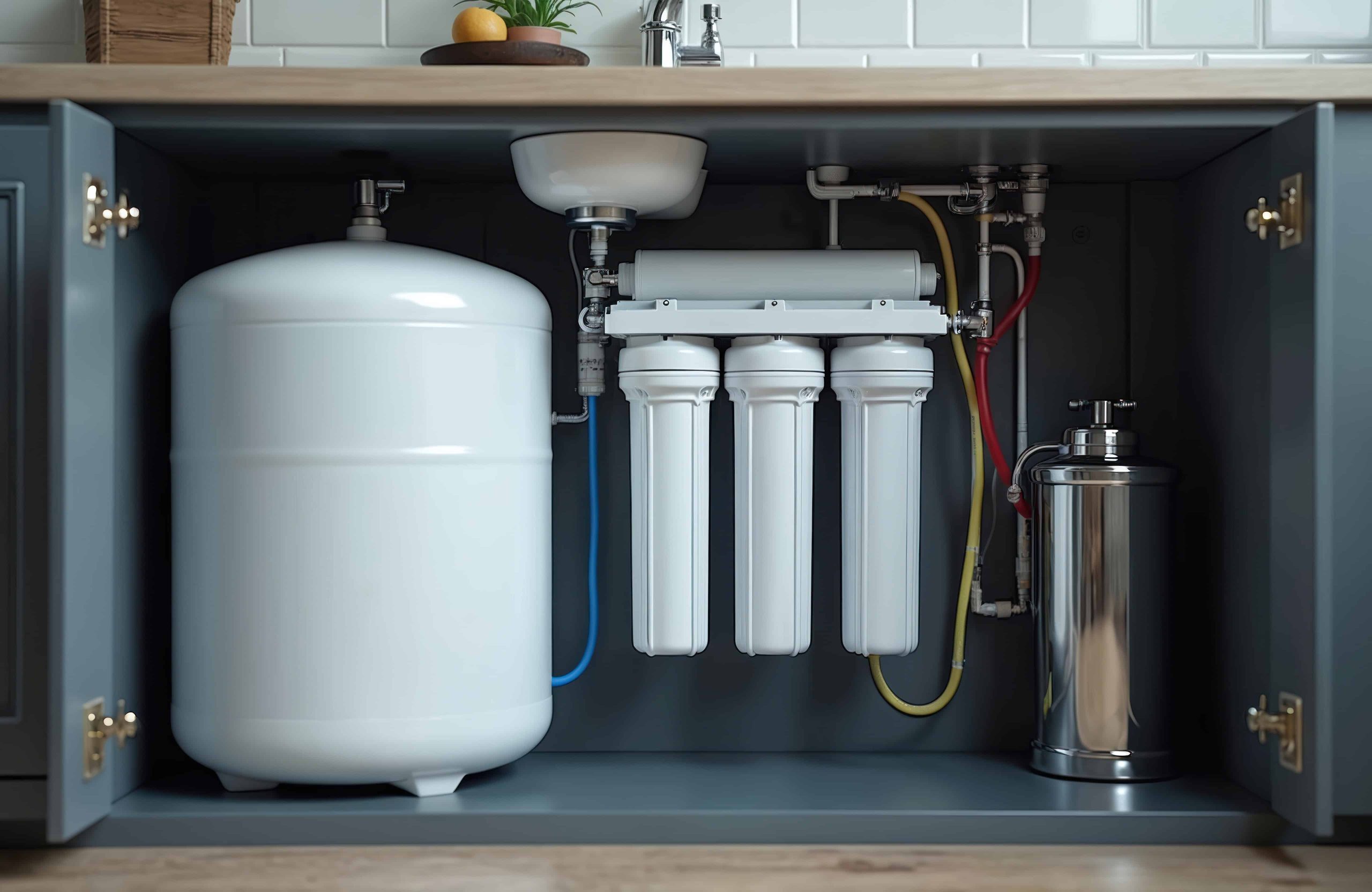
The most effective way to remove sulfur from your water is to install a sulfur filtration system. These systems typically use oxidation processes to convert hydrogen sulfide gas into a solid form that can be filtered out of the water. Here are some common types of systems used for sulfur removal:
Aeration systems
These systems add oxygen to the water, which helps oxidize hydrogen sulfide gas into a form that can be filtered out.
Chemical oxidation systems
These systems use chemicals like chlorine to oxidize the hydrogen sulfide gas, turning it into a solid that can be filtered out.
Activated carbon filters
These filters are effective at removing smaller amounts of hydrogen sulfide gas, improving both the taste and odour of your water.
When choosing a filtration system, it’s important to select one that can handle the specific concentration of sulfur in your water and match your household’s water flow requirements.
Final Thoughts
Dealing with sulfur in your water can be frustrating, but with the right filtration system, you can effectively eliminate the odor and prevent any associated health or household issues. At Nelson Water, we’re here to help you find the right solution for your home.
Contact us for a free water test to get started on improving your water quality today.