When it comes to improving your home’s water quality, water softeners are often the go-to solution. But are all water softeners the same? The answer is no.
With various systems available, each designed for specific needs, choosing the right one can make a big difference in your household’s water quality, appliance longevity, and maintenance costs.
In this blog, we’ll discuss the differences between water softeners and water filters, dive into the different types of water softeners, discuss whether all water softener salts are the same, and provide tips on selecting the right system for your home. By the end, you’ll have the information you need to make an informed decision tailored to your needs.
Water Softeners vs. Water Filters: Are They the Same?
A common question is, “Is a water softener the same as a water filter?” The simple answer is no. While both systems are designed to improve water quality, they serve different purposes.
Water softeners target hard water issues by removing calcium and magnesium ions. These minerals cause limescale buildup in pipes, appliances, and fixtures, leading to inefficiencies and costly repairs. By softening the water, these systems prevent scale buildup, protect appliances, and even improve the effectiveness of soaps and detergents.
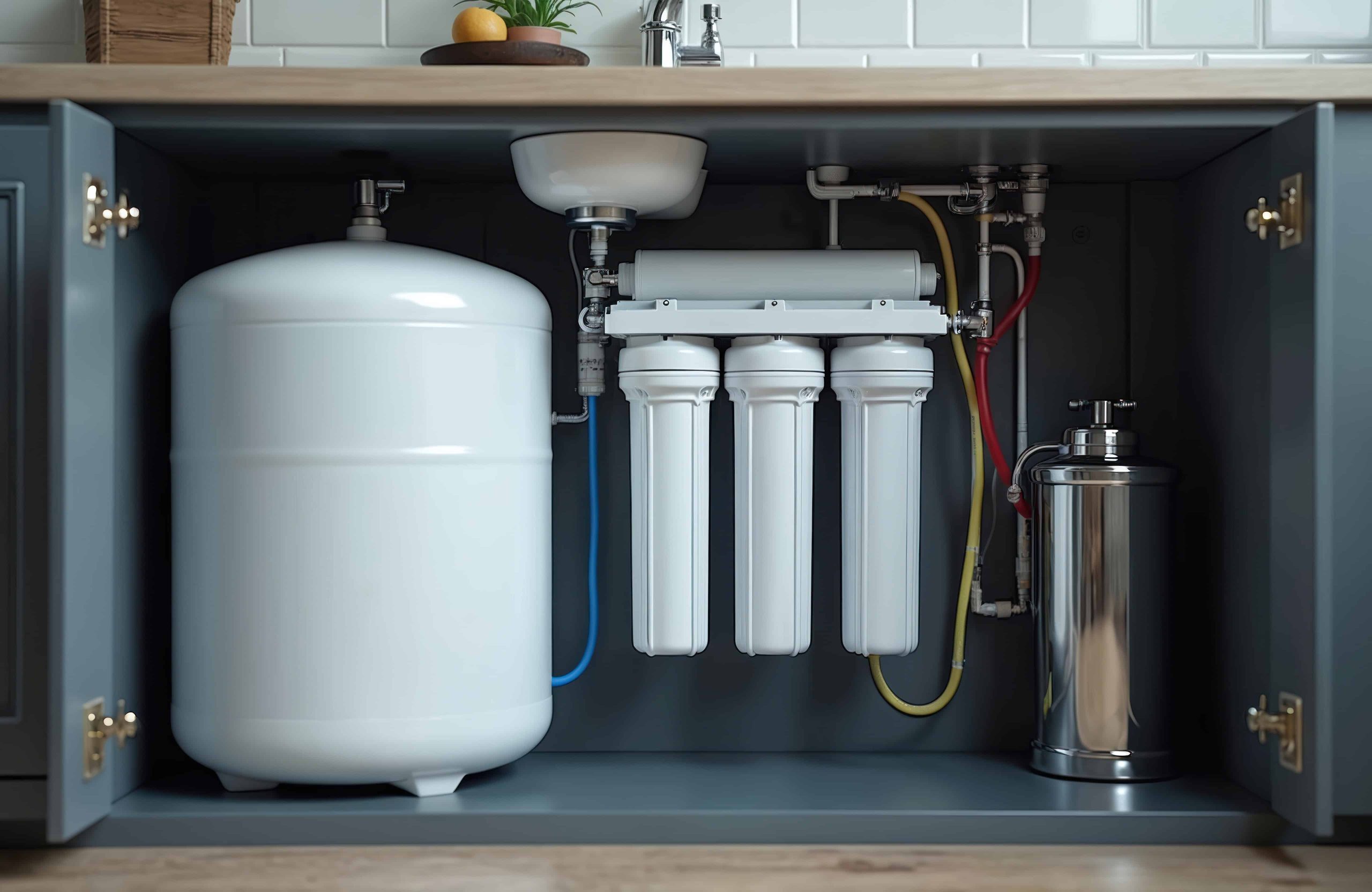
On the other hand, water filters focus on removing contaminants that affect water’s taste, odour, and safety. These may include chlorine, sediment, bacteria, and heavy metals. A water filter ensures your drinking water is safe and palatable, but it does not address hard water problems.
If your water is hard and contains impurities, you may need both systems to achieve optimal water quality. Understanding these differences helps ensure you invest in the right system to meet your needs.
Types of Water Softeners: Which One Is Right for You?
Not all water softeners work the same way. Here are the main types of water softeners, each with unique features:
1. Salt-Based Ion Exchange Softeners
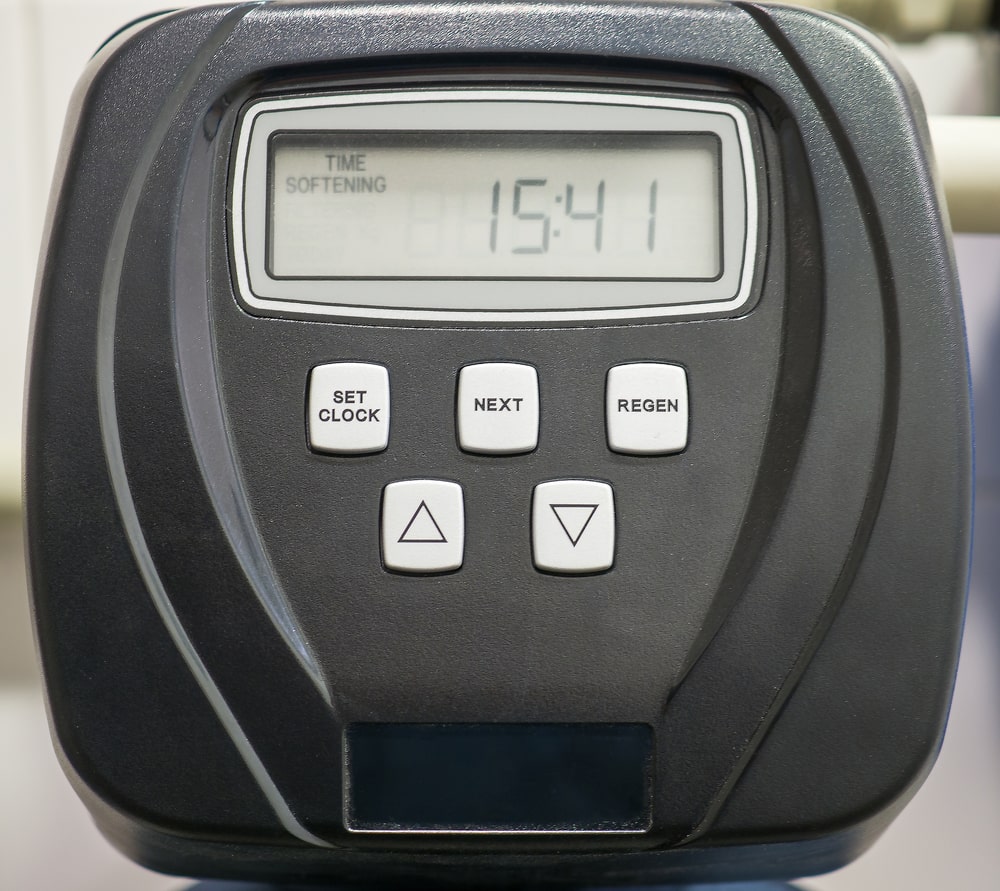
The most common type of these systems uses resin beads charged with sodium or potassium ions. When hard water passes through the system, calcium and magnesium ions are replaced with sodium, resulting in softened water. These systems are highly effective but require regular salt replenishment.
2. Salt-Free Water Conditioners
Rather than removing hard water minerals, these systems alter their structure to prevent them from forming scale. They’re a good option for those seeking a low-maintenance solution, but they might not be as effective in areas with very hard water.
3. Dual-Tank Water Softeners
Ideal for large households or high water usage, these systems feature two tanks that alternate during regeneration. This ensures a continuous supply of softened water, even when one tank is regenerating.
4. Magnetic and Electronic Descalers
These systems use magnetic fields or electronic pulses to change the behaviour of hard water minerals, reducing scale buildup. While they are easy to install and maintain, their effectiveness can vary based on water hardness levels and other factors.
Each system has pros and cons, and the best choice depends on your specific water quality needs, budget, and maintenance preferences.
On the Blog: How Often Should Your Water Softener Regenerate: The Frequency

Is All Water Softener Salt the Same?
Another important question is, “Is all water softener salt the same?” The answer is no. The type of salt you choose can affect the performance and maintenance of your water softener.
Here are the main types of water softener salt:
Rock Salt
Rock salt is an affordable option but contains more impurities. These impurities can lead to residue buildup in the brine tank, requiring more frequent cleaning.
Solar Salt
Produced through the evaporation of seawater, solar salt is purer than rock salt and dissolves more easily. This reduces the risk of tank residue, making it a better choice for many systems.
Evaporated Salt
The purest option, evaporated salt, is made by mining and evaporating water from underground salt deposits. It dissolves efficiently, leaving minimal residue, which helps maintain system efficiency.
Potassium Chloride
An alternative to sodium-based salts, potassium chloride is ideal for those looking to reduce sodium levels in their water. However, it’s typically more expensive than traditional salts.
Choosing the right salt depends on your water softener model, maintenance preferences, and budget. Following the manufacturer’s recommendations is crucial to ensure optimal performance.
Factors to Consider When Choosing a Water Softener
Selecting the right water softener requires careful consideration of your home’s water quality and usage. Here’s what you should keep in mind:
1. Water Hardness Level
Test your water to determine its hardness level. Water with high calcium and magnesium content will require a robust softening system, such as a salt-based ion exchange softener.
2. Household Size and Water Usage
Larger households with higher water demands may benefit from dual-tank systems, which ensure a steady supply of softened water. Smaller households might find single-tank systems sufficient.
3. Additional Contaminants
If your water contains other impurities, such as chlorine or heavy metals, consider pairing your softener with a water filtration system for comprehensive water treatment.
4. Maintenance Requirements
Salt-based systems require regular maintenance, including salt replenishment and occasional cleaning. If you prefer a low-maintenance solution, consider a salt-free water conditioner.
5. Budget
While salt-free and magnetic systems are often more affordable upfront, they may not be as effective for very hard water. Evaluate the long-term benefits of each system to determine the best investment for your home.

Why It Matters: The Benefits of Choosing the Right System
The type of water treatment system you choose has a direct impact on your home’s water quality, appliance longevity, and overall convenience. The right system can:
- Prevent scale buildup in pipes and appliances, extending their lifespan.
- Improve the effectiveness of soaps, detergents, and shampoos.
- Provide safe, great-tasting water for drinking and cooking.
- Reduce maintenance and repair costs over time.
Are all water softeners the same? No. Each system type offers unique advantages and is suited for specific water quality challenges. From salt-based ion exchange systems to salt-free conditioners and even magnetic descalers, understanding the differences helps you make an informed choice.
Additionally, the type of salt you use matters—choosing the right one ensures optimal performance and minimal maintenance. By assessing your water quality, household needs, and budget, you can select a water treatment system that improves your home’s water and enhances your daily life.
Experience the Nelson Water Difference
At Nelson Water, we specialize in custom water treatment solutions tailored to your home’s needs. Whether you’re dealing with hard water, contaminants, or both, our experts are here to help.
Schedule a free water analysis with Nelson Water today and discover how we can provide clean, high-quality water for your household.