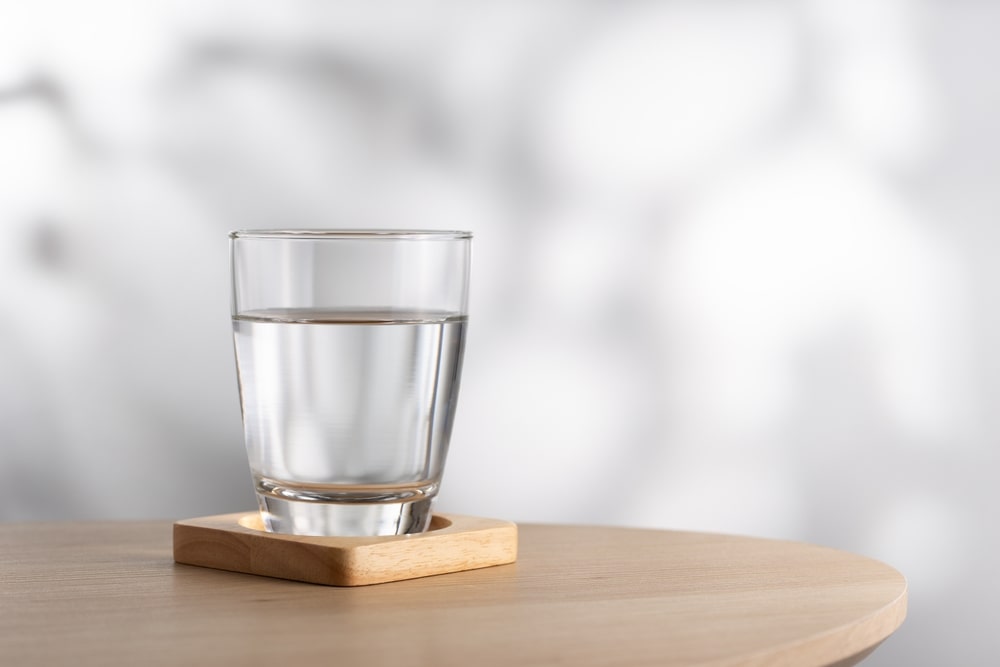
Have you ever found a glass of water left overnight on the counter or bedside table and wondered, “Can drinking water go stale in a single day?” It’s a common question, especially for those mindful of their hydration. While water doesn’t expire like food, its taste and quality can change over time.
In this blog, we’ll learn why water can seem to “go stale,” the science behind these changes, and how to keep your water fresh and safe to drink.
Why Does Water Taste Stale?
Water in its pure form is a stable compound, and it doesn’t spoil like perishable foods. However, “stale water” is often used to describe water that has undergone subtle changes in taste or quality due to exposure to air, containers, and environmental factors.
The Science Behind Stale Water
Carbon Dioxide Absorption
When water is left exposed to air, it can absorb carbon dioxide. This interaction causes the water’s pH level to drop slightly, making it taste flat or stale. While this doesn’t make the water harmful to drink, the taste can become less appealing.
Environmental Contaminants
Exposed water can collect dust, bacteria, and other particles from the environment. While these are often present in small amounts and may not pose a serious health risk, they can alter the flavour and perceived freshness of the water.
Evaporation and Temperature Changes
If left uncovered, some of the water’s volatile compounds may evaporate. Additionally, temperature fluctuations can promote microbial activity, especially in warmer environments.
Factors That Make Water “Go Stale”
While water doesn’t truly go stale in the same way food does, several factors can influence its taste and quality:
Exposure to Air
Water that is left open to the environment can absorb not just carbon dioxide but also odours and particles from the air. For instance, placing an open glass of water near a strong-smelling substance like vinegar or perfume can cause it to take on an unpleasant taste.
Container Material
The container material you store water in can significantly impact its taste. Plastic bottles, for example, can leach chemicals into the water, especially if reused or exposed to heat. On the other hand, glass and stainless steel containers are less likely to affect the taste or safety of water.
Microbial Contamination
Although water itself doesn’t support bacterial growth, contaminants introduced from the environment or a dirty container can lead to the presence of microbes. Over time, this can give the water a musty taste and pose a health risk if consumed.
Time and Temperature
Water left out for long periods, particularly in warm environments, is more likely to harbour bacterial growth and develop off-putting tastes. Storing water in a cool, dark place helps preserve its quality.
Can Water Become Unsafe to Drink?
Stale water is not usually unsafe if stored properly, but exceptions exist. Here are signs that water should be discarded:
Unusual Smell or Appearance
If the water smells musty, looks cloudy, or has visible particles, it’s better to avoid drinking it.
Mould or Film on the Surface
This can occur when a glass or container hasn’t been properly cleaned, or the water has been left out for too long.
Plastic Taste
Water stored in plastic bottles, especially in hot conditions, can develop a chemical taste that may indicate leaching from the container. This should be avoided.
Tips for Keeping Water Fresh
To maintain fresh-tasting and safe drinking water, follow these simple steps:
Use Clean, High-Quality Containers
Store water in containers made of glass or stainless steel, as these materials don’t leach chemicals or flavours into the water. Always ensure the container is cleaned thoroughly before refilling.
Keep It Covered
A lid or cover is essential to protect water from absorbing odours, particles, and carbon dioxide from the environment.
Store Water in Cool, Dark Places
Light and heat can accelerate chemical reactions and microbial growth in water. Storing your water in a refrigerator or shaded area ensures it stays fresh longer.
Replace Water Regularly
If you store water for longer periods (e.g., emergency supplies), refresh it every six months to ensure it tastes good and remains safe to drink.
Filter Your Water
Using a water filtration system, like those offered by Nelson Water, can improve water quality and taste, removing contaminants that may contribute to off-flavours.
On the Blog: Why Does My Softened Water Taste Salty After Regeneration?

Common Myths About Stale Water
Myth 1: Stale Water Is Dangerous
Stale water is rarely harmful unless it has been left out for an extended period or contaminated. Its taste may change, but this doesn’t necessarily mean it’s unsafe.
Myth 2: Boiling Stale Water Restores Freshness
While boiling can kill bacteria, it won’t remove absorbed gases or restore the original taste. Filtering stale water is a better option for improving its quality.
Myth 3: Storing Water in the Refrigerator Prevents Staleness
Refrigeration slows bacterial growth but doesn’t stop the absorption of carbon dioxide or odours. Proper storage practices, such as using covered containers, are still necessary.
Can Drinking Water Go Stale in a Single Day?
Now that we’ve explored the science and contributing factors, let’s address the main question: Can drinking water go stale in a single day? The answer is yes—water can develop a stale taste within hours of being left uncovered. This is primarily due to its exposure to air, carbon dioxide absorption, and environmental contaminants. However, with proper storage techniques, water can retain its freshness for much longer.
Keep Your Water Fresh with Nelson Water
Stale water doesn’t have to be a daily concern. By understanding the factors influencing water quality and following simple storage tips, you can ensure your drinking water remains fresh and enjoyable. At Nelson Water, we provide high-quality water solutions tailored to your needs. From advanced filtration systems to expert advice, we’re here to help you achieve the best water quality for your home or business.
Experience Fresh, Clean Water with Nelson Water
At Nelson Water, we believe everyone deserves access to clean, great-tasting water. Our range of water treatment solutions ensures your drinking water is not only fresh but also safe and free of contaminants.
Contact us today to learn how we can enhance your water quality and improve your everyday hydration experience. Don’t wait—reach out to Nelson Water and enjoy the peace of mind with truly fresh water.