Water spots on dishes, glassware, and even car exteriors can be a frustrating and persistent problem for homeowners.
Many people turn to water softener systems, hoping they will eliminate these unsightly marks. But the question remains: can water softeners truly prevent water spots at home?
This blog will cover the causes of water spots, the role of water softeners, and effective strategies to keep your surfaces spotless.
What Causes Water Spots?
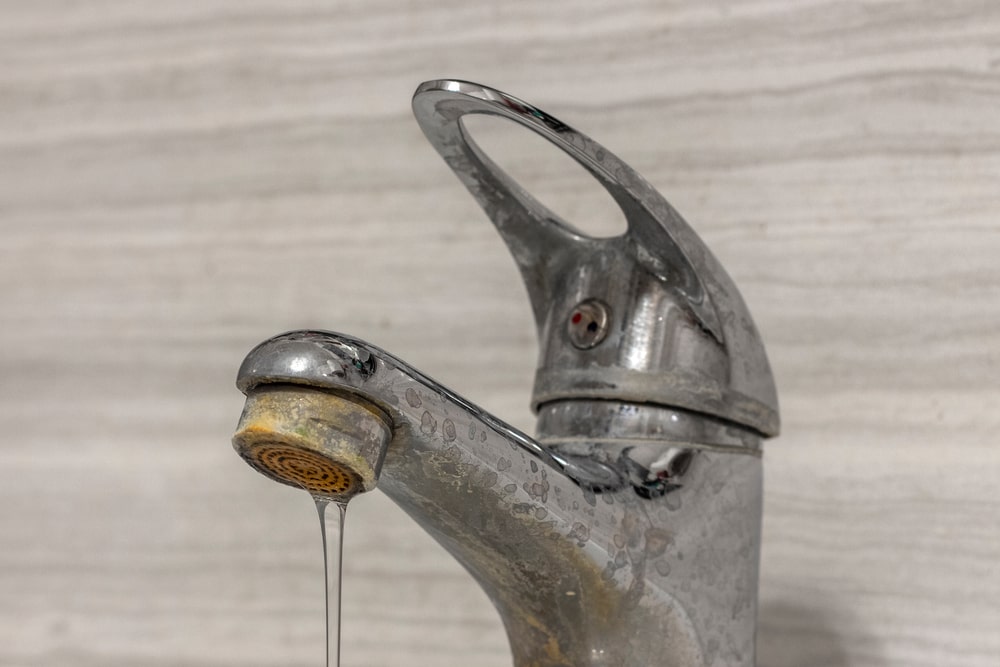
Water spots are mineral residues left behind after water evaporates from a surface. These spots are often seen on glassware, dishes, shower doors, and car windows. But why does water leave these marks? The main culprit is the presence of calcium and magnesium ions in hard water. When hard water dries, it leaves a chalky residue known as lime scale or hard water spots.
Interestingly, water spots can also occur with soft water, though they appear less frequently. Softened water replaces calcium and magnesium with sodium ions, but when it evaporates, sodium deposits can also leave behind soft water spots. These spots are easier to clean than those caused by hard water.
How Water Softeners Work to Prevent Water Spots
Water softeners are designed to combat the effects of hard water by removing calcium and magnesium ions through ion exchange. In this process, the hard minerals are swapped with sodium or potassium ions, resulting in “soft water.”
With hard minerals removed, softened water is far less likely to leave tough lime-scale deposits. This makes cleaning much easier, especially regarding dishes, glassware, and other surfaces. However, it’s important to note that water softeners don’t remove all dissolved solids from water. Other minerals and impurities, collectively known as Total Dissolved Solids (TDS), can still lead to spotting if they remain in the water.

Why You Might Still Get Water Spots with a Water Softener
Even with a high-quality water softener, you might occasionally notice water spots. This can happen for several reasons:
High TDS Levels
Water softeners primarily target calcium and magnesium, but other dissolved solids, such as silica, can remain in the water. When the water evaporates, these solids are left behind, resulting in water spots. This is why some homeowners notice spotting even after installing a water softener.
Sodium Residue
The softened water process introduces sodium ions in place of hard minerals. When this water evaporates, sodium can leave a thin, whitish residue on surfaces, creating soft water spots. While these are generally easier to clean than hard water spots, they can still be noticeable.
Improper Water Softener Maintenance
Like any household system, water softeners need regular maintenance to perform effectively. Problems like salt bridging (a hard crust forming in the brine tank) or insufficient salt levels can lead to poor performance. If hard water minerals aren’t being effectively removed, water spots may still appear.
Environmental Factors
Drying conditions can play a role as well. For instance, dishes that aren’t properly dried or vehicles washed and left to air-dry in the sun are more likely to show water spots, regardless of water hardness.
How to Prevent Water Spots in Your Home
If you’re looking to reduce or eliminate water spots at home, consider the following tips:
Maintain Your Water Softener
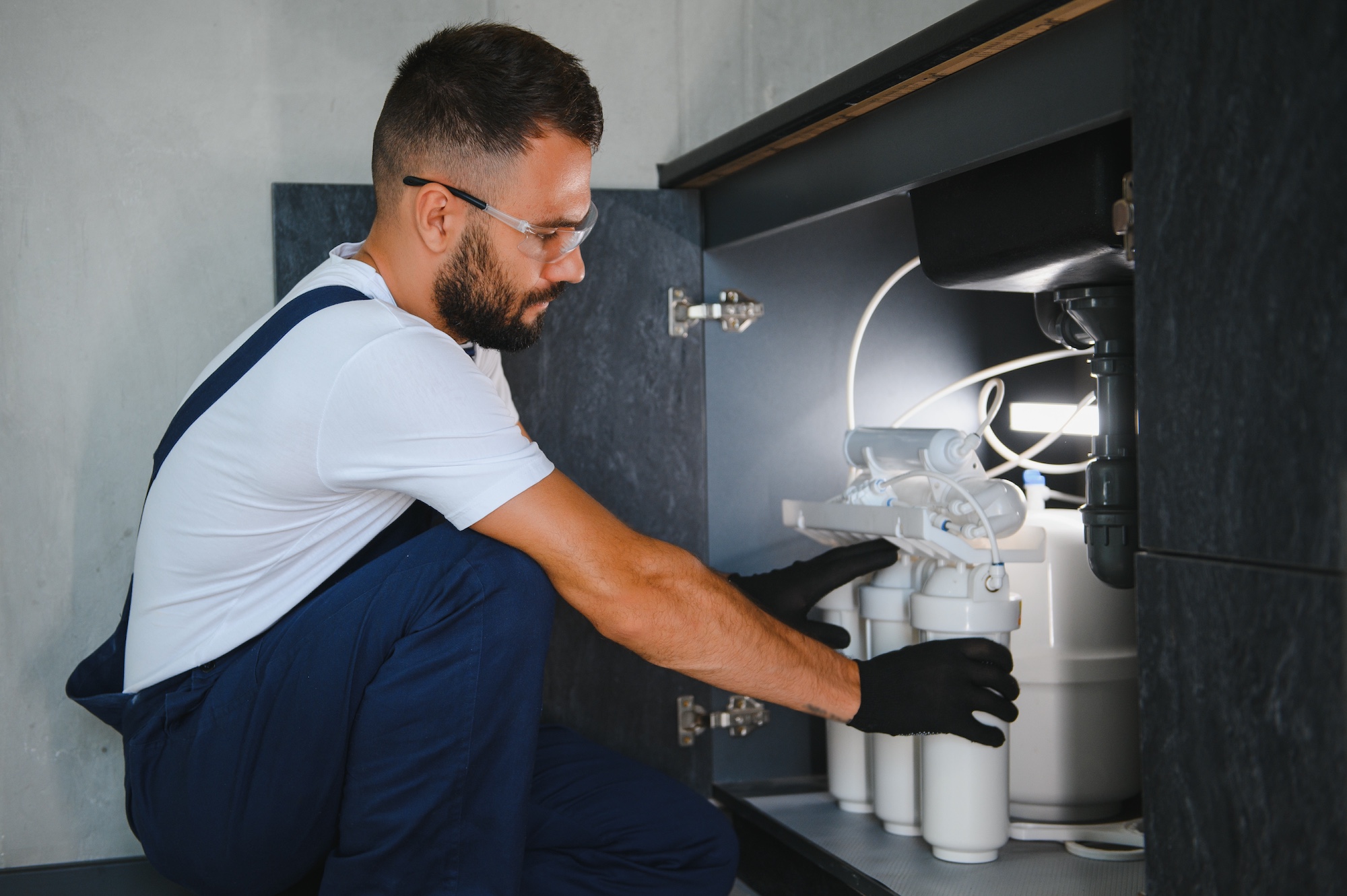
Regular maintenance is crucial to ensure your water softener functions optimally. Check the system’s salt levels frequently and inspect for signs of salt bridging or equipment malfunction. Well-maintained water softeners significantly reduce hard water issues, including spotting.
Use a Water Filter to Stop Water Spots
Adding a water filter, such as a reverse osmosis system, can help remove dissolved solids contributing to water spots. Reverse osmosis filters reduce TDS levels and are particularly effective for applications like dishwashing or car washing where spotless results are critical.
Rinse and Dry Surfaces Manually
One of the simplest ways to avoid water spots is to dry surfaces manually before water has a chance to evaporate. Use a clean, lint-free cloth to dry dishes, glassware, or car exteriors after washing.
Use Rinse Aids in Your Dishwasher
Dishwasher rinse aids can help water sheet off dishes and glassware more effectively, reducing the likelihood of spotting. This is particularly helpful when using softened water, as it minimizes the chance of sodium deposits forming.
Switch to Deionized or Distilled Water
For areas where spotless results are essential, such as car washing, consider using deionized or distilled water. These types of water contain little to no dissolved solids, greatly reducing the likelihood of spotting.
Avoid Air-Drying
Air-drying allows water to evaporate naturally, leaving behind any dissolved minerals. Instead, use a squeegee on windows or shower doors and a clean towel for other surfaces to prevent water from sitting too long.
On the Blog: Does Softened Water Have a Distinctive Taste?

Does Distilled Water Leave Water Spots?
Distilled water is a highly purified form that removes nearly all dissolved solids. As a result, it’s extremely unlikely to leave water spots. This makes distilled water an excellent choice for applications like rinsing car exteriors, cleaning windows, or any task requiring a spot-free finish.
Benefits of Using a Water Softener
While water softeners might not eliminate water spots, they offer numerous benefits that make them a worthwhile investment:
- Easier Cleaning: Soft water significantly reduces lime-scale build-up, making cleaning easier and extending the lifespan of appliances like dishwashers and washing machines.
- Improved Water Efficiency: Soft water improves the performance of soaps and detergents, allowing you to use less and still achieve great results.
- Better for Plumbing: Removing hard minerals prevents scale build-up in pipes, which can lead to clogs and reduce water flow over time.
Conclusion
So, can water softener systems prevent water spots at home? The answer is yes—but with some limitations. While water softeners can dramatically reduce the severity and frequency of hard water spots, they may not eliminate spots due to residual TDS or sodium deposits. By pairing a water softener with other strategies like proper maintenance, using rinse aids, and drying surfaces manually, you can achieve cleaner, more spotless results.
Say Goodbye to Water Spots with Nelson Water
At Nelson Water, we specialize in helping Canadian homeowners achieve spotless, hassle-free living through our water treatment solutions. Whether you need a water softener, filtration system, or expert advice, our team is here to help.
Contact us today to learn how we can tailor a water solution that fits your needs and transforms your home.