Owning a water softener is essential for many homes, especially if you’re dealing with hard water. Over time, however, water softeners require regular maintenance to ensure they continue to function effectively. One common question homeowners have is whether bleach can be used to clean or sanitize a water softener. Is bleach a safe and effective cleaning agent for your water softener, or could it do more harm than good?
In this blog, we’ll explore the pros and cons of using bleach to sanitize a water softener, provide steps for proper cleaning, and show you how to maintain your system effectively.
Understanding How to Sanitize a Water Softener
Sanitizing your water softener is crucial because it removes accumulated bacteria, mould, and mineral deposits. These elements can compromise water quality, impact system efficiency, and even produce odours. Properly sanitizing your water softener system helps ensure clean, soft water in your home. But while bleach is a powerful cleaning agent, using it in your water softener system requires some caution and specific methods.
Can You Use Bleach in a Water Softener?
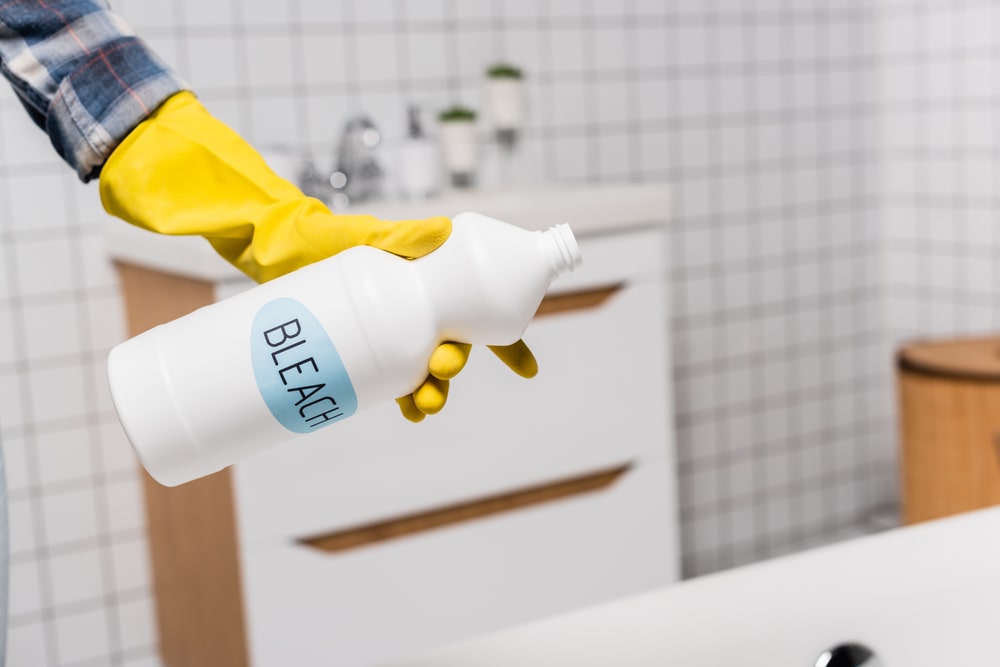
The simple answer is yes but with caution. Bleach can effectively sanitize your water softener and eliminate unwanted bacteria. However, the type of water softener you own and the amount of bleach used are critical factors to consider. Adding too much bleach or using it improperly can damage the resin bed and other internal parts of your system. This could lead to costly repairs or replacements.
How to Safely Use Bleach in Your Water Softener
If you choose to sanitize your water softener with bleach, follow these guidelines to ensure safe and effective cleaning. Here’s a step-by-step guide to help you through the process.
Step 1: Check Your Owner’s Manual
Before using bleach in any water softener system, consult your owner’s manual. Some manufacturers explicitly warn against using bleach, as it can void warranties or cause damage to specific types of systems. If the manual recommends an alternative, follow those instructions closely.
Step 2: Prepare the System
Place your water softener in the “bypass” mode. This will prevent the bleach solution from circulating through your household plumbing, allowing it to remain within the softener for targeted cleaning.
Step 3: Add the Bleach Solution
Carefully add one to two tablespoons of bleach for every gallon of water in the brine tank. This amount is sufficient for sanitizing without overloading the system with bleach. Avoid pouring bleach directly into the resin tank, as it can be too concentrated for that area and potentially damage the resin beads.
Step 4: Run a Manual Regeneration Cycle
Initiate a manual regeneration cycle. This process allows the bleach solution to sanitize the system’s resin bed and brine tank. The bleach will circulate within the water softener, effectively cleaning away bacteria and any accumulated debris.
Step 5: Rinse and Repeat if Needed
After the regeneration cycle is complete, run an additional rinse cycle to flush out any residual bleach from the system. Bleach should not remain in your water softener for an extended period, as prolonged exposure can degrade the resin beads. Once flushed, set the system back to regular operation mode.
On The Blog: How Does a Water Softener Improve Your Home’s Water Quality?

Alternative Methods for Sanitizing Your Water Softener
If you’re hesitant about using bleach or if your manufacturer advises against it, several alternative cleaning agents can safely sanitize your water softener system:
- Hydrogen Peroxide: A gentle yet effective disinfectant, hydrogen peroxide can clean your water softener without harming the resin bed or internal components.
- Vinegar Solution: A diluted vinegar solution can help dissolve mineral deposits within the system. It’s especially helpful for cleaning the brine tank and removing any build-up.
- Commercial Water Softener Cleaners: Some brands offer water softener cleaners that are specifically formulated for safe and effective cleaning. These products are often recommended by manufacturers and can provide peace of mind for homeowners concerned about potential damage from bleach.
How Often Should You Clean Your Water Softener?
Regular maintenance can make a significant difference in the performance of your water softener. Generally, it’s recommended to clean and sanitize your water softener every six to twelve months. However, the frequency may vary based on the hardness level of your water, household usage, and local water quality. Regularly checking your water softener for any signs of build-up or bacteria will help you determine when a thorough cleaning is necessary.
Potential Risks of Using Bleach in Your Water Softener
While bleach can be effective in sanitizing, it’s essential to consider the potential risks:
- Resin Damage: Excessive bleach can weaken or degrade the resin beads, making them less effective at softening your water. Over time, this can lead to a decrease in system efficiency.
- Odour Residue: Bleach has a strong odour, and if not rinsed thoroughly, it can leave an unpleasant smell in your water supply.
- Corrosion Risks: For some older water softeners, bleach can accelerate corrosion, especially if certain internal parts are metal.
Tips for Maintaining a Clean Water Softener Without Bleach
Even if you decide not to use bleach, there are many steps you can take to keep your water softener in top condition:
- Regular Salt Checks: Check the salt level in the brine tank regularly and top up as needed. Low salt levels can hinder the regeneration process, leading to a build-up of unwanted minerals.
- Clean the Brine Tank Annually: Even without using bleach, cleaning the brine tank annually can prevent build-up and keep your water softener working efficiently.
- Use Resin Bed Cleaners: Specially formulated resin bed cleaners are available on the market and can help extend the life of your resin beads by keeping them free of contaminants.
Final Thoughts on Cleaning a Water Softener with Bleach
Using bleach to sanitize a water softener can be a practical solution, but it must be done carefully to avoid damaging the system. Following the right steps and checking manufacturer guidelines can help you safely and effectively sanitize your water softener, ensuring clean, softened water in your home. If bleach seems too risky, consider using alternative methods like hydrogen peroxide or commercial water softener cleaners, which are designed to maintain your system without the potential hazards of bleach.
Nelson Water – High Quality Water Softeners in Ottawa
For more tips on maintaining your water softener or to learn about the latest water treatment solutions, contact Nelson Water today. Our team of experts can help you with all your water purification needs in Ottawa.