Water quality is a vital issue that affects households, industries, and communities. Among the many minerals and compounds found in water, silica frequently sparks curiosity and concern. Is it harmful or beneficial? Should you take steps to remove it from your water supply?
This blog will guide you on everything you need to know about silica in water, including what it is, its potential health effects, and ways to manage its presence effectively.
What Is Silica in Water?
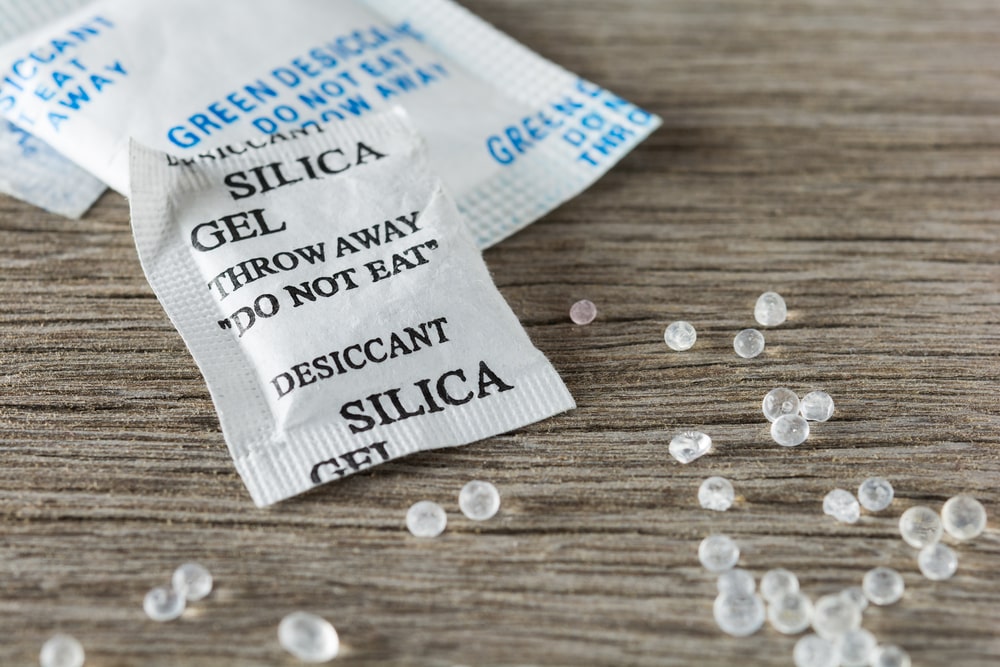
Silica, scientifically known as silicon dioxide (SiO₂), is one of the most abundant compounds on Earth. Found naturally in sand, quartz, and various rocks, silica is a common element in soil and water. When water passes through rock formations or sandy soils, it can dissolve small amounts of silica, which then become part of the water supply.
Silica in water can exist in two main forms:
Dissolved Silica
Also called reactive silica, this form is chemically combined with water and is difficult to remove.
Colloidal Silica
This form consists of microscopic, non-reactive particles suspended in water, which are easier to filter out.
The concentration of silica in water depends on the geological composition of the area and the source of the water. While it is not classified as a harmful contaminant, silica can lead to practical challenges and aesthetic concerns.
Is Silica in Water Good or Bad?
Whether silica in water is good or bad depends largely on its concentration and context. Let’s break it down:
Silica in Drinking Water
At typical concentrations, silica in water is not harmful to human health. In fact, silica is naturally present in many foods and contributes to dietary silicon intake. Some believe that silica in water may even have health benefits, such as supporting bone health and improving skin elasticity, though scientific evidence on this is limited.
Practical and Aesthetic Issues
Scaling and Deposits
High silica levels in water can cause scaling on industrial equipment, pipes, and appliances. This is a particular concern for businesses using boilers or cooling systems, where silica deposits can reduce efficiency and increase maintenance costs.
Cloudy Water and Residue
Silica can cause water to appear cloudy or leave white, chalky deposits on glassware, showerheads, and sinks. These residues are harmless but can be unsightly and inconvenient to clean.
Thus, while silica in drinking water is not inherently bad, it can become problematic in other contexts, especially for industrial applications or households that prefer crystal-clear water free of deposits.
Harmful Effects of Silica Present in Water
Equipment Damage in Industrial Settings
In industrial processes, high silica levels can lead to scaling and fouling of equipment such as boilers, turbines, and heat exchangers. These deposits not only reduce operational efficiency but can also lead to costly repairs and downtime.
Aesthetic and Maintenance Issues at Home
While not harmful to health, silica can cause maintenance headaches in homes. Persistent white spots on dishes, faucets, and glass can detract from the aesthetic appeal of household items, especially in areas with hard water.

Health Effects of Silica in Drinking Water
The health implications of silica in water are generally benign, but there are distinctions to be made depending on how it enters the body:
Inhalation Risks
Crystalline silica, often found in industrial dust, is a known health hazard when inhaled. Prolonged exposure can lead to silicosis, a serious lung disease, as well as other respiratory issues. This, however, is not a concern with silica in water.
Ingestion Risks
Ingesting silica through drinking water is considered safe by most health authorities. The U.S. Environmental Protection Agency (EPA) and Health Canada have not set a maximum allowable limit for silica in drinking water, indicating it poses no significant health risks at typical concentrations.
Some studies suggest silica may even offer health benefits. Silica is a component of connective tissues like cartilage and bone and may play a role in improving skin health. Bottled water brands that market “silica-rich water” often tout these potential benefits, but more research is needed to confirm their validity.
Silica in Drinking Water: Acceptable Limits
Although no regulatory body has set strict limits for silica in drinking water, some guidelines exist for practical purposes:
Industrial Standards
For industrial systems, water with silica concentrations below 20 mg/L is generally preferred to prevent scaling. In high-tech industries, like semiconductor manufacturing, even lower levels may be required.
Household Preferences
Homeowners concerned about deposits or water clarity may aim for lower silica levels through water treatment systems.
How to Manage Silica in Water
For those dealing with silica-related issues, there are effective methods to reduce its levels:
One of the most effective ways to remove both dissolved and colloidal silica, reverse osmosis systems use a semi-permeable membrane to filter out contaminants. RO systems are suitable for residential, commercial, and industrial applications.
Ion Exchange
Ion exchange systems can target reactive silica by swapping it for other ions like sodium. This method is commonly used in water softeners and industrial water treatment systems.
Ultrafiltration
Particularly effective for colloidal silica, ultrafiltration employs fine membranes to physically remove suspended particles.
Precipitation Methods
In industrial settings, silica can be precipitated out of water using chemical treatments, though this method is less common for household use.
On the Blog: The 5 Reasons Your Reverse Osmosis System Has A Slow Flow Rate
Silica Water Benefits
Despite the challenges associated with silica, some believe it offers benefits when consumed in small amounts. Claims include:
Bone Health
Silica is said to help with calcium absorption and improve bone density.
Skin Elasticity
Some suggest silica improves collagen production, contributing to healthier, younger-looking skin.
While these claims are not yet fully backed by scientific research, they highlight the dual nature of silica—both as a potential health booster and a practical nuisance.

Conclusion
So, should you be concerned about silica in water? The answer largely depends on your circumstances. At typical concentrations, silica in drinking water is safe for consumption and may even have minor health benefits. However, for households and industries dealing with scaling, deposits, or aesthetic concerns, addressing silica levels becomes essential.
With the right water treatment system, you can effectively manage silica and enjoy high-quality water without the associated issues.
Get Cleaner, Safer Water with Nelson Water
At Nelson Water, we understand how important clean, safe water is for your home and business. Whether you’re concerned about silica, hard water, or other impurities, our expert team is here to help. We offer advanced water treatment solutions, including reverse osmosis systems and filtration options tailored to your needs.
Contact us today to learn more about how we can improve your water quality. Let Nelson Water give you the peace of mind you deserve—because better water starts with us.