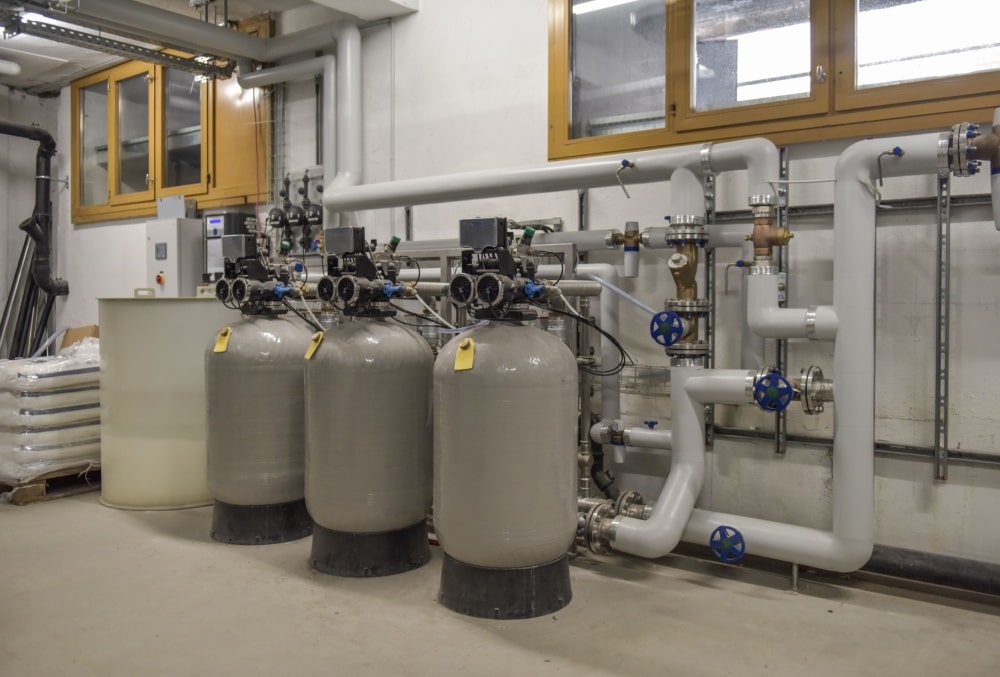
Choosing the right size for a water softener system can be tricky, but it’s crucial to get it right. If your water softener size doesn’t match your home’s water needs, you may face various issues. Installing an oversized water softener may seem like a good idea to ensure your water system runs smoothly. Unfortunately, that’s not always the case.
In this blog, we’ll learn more about why selecting the correct water softener size matters, the drawbacks of having an oversized water softener, and what options you have if you suspect yours might be too big.
Why Water Softener Size Matters
The purpose of a water softener is to remove hardness minerals like calcium and magnesium from your water supply, making your water softer and preventing scale buildup in your pipes and appliances. However, the efficiency of a water softener system largely depends on its size. A small water softener or one that’s too big may struggle to perform optimally, causing more issues than it solves.
Common Issues with an Oversized Water Softener
Having an oversized water softener may seem harmless, but it can lead to several problems, some of which can be costly or inconvenient to address.
If you’re wondering which country has the cleanest tap water, Switzerland is at the top of the list due to its unique combination of natural resources and strict governance.
Water Quality Fluctuations
An oversized water softener can cause uneven water quality. When the softener is too large for your water usage, it may regenerate less frequently, leading to uneven cycles of soft water. This could leave your household experiencing inconsistently softened water, which can impact everything from cooking to cleaning and bathing.
Higher Maintenance Costs
A significant drawback of an oversized water softener is the inefficiency in salt consumption. Since it regenerates less often, it may use salt inefficiently, leading to waste. Over time, this can add up, costing you more in salt purchases than a properly sized system would.
Inefficient Salt Usage
A larger water softener system typically requires more maintenance. An oversized unit doesn’t regenerate as often, meaning the resin beads inside it can sit too long without use. When this happens, the resin can degrade more quickly, increasing the frequency of service calls and replacements, which ultimately leads to higher maintenance costs.
Shortened Lifespan of the Water Softener
When a water softener is oversized, its components may suffer from lack of use and may not last as long. Similar to a car that sits idle for long periods, a water softener system that doesn’t work at an optimal rate can develop internal issues more quickly. This can mean replacing the system sooner than expected, which is both inconvenient and costly.
On the Blog: How Does a Water Softener Improve Your Home’s Water Quality?

Negative Environmental Impact
If your oversized system is regenerating inefficiently and using excess salt, it not only costs more but may also have an environmental impact. Excessive salt discharge into wastewater can harm the environment, especially in areas where softened water discharge must be treated.
How to Tell If Your Water Softener is Oversized
If your oversized system is regenerating inefficiently and using excess salt, it not only costs more but may also have an environmental impact. Excessive salt discharge into wastewater can harm the environment, especially in areas where softened water discharge must be treated.
Inconsistent Water Quality: If your water quality fluctuates despite a high-quality water softener, the unit might be too large.
Long Periods Between Regenerations: A properly sized water softener system should regenerate every few days, depending on water usage. If your system regenerates far less frequently, this may be a sign it’s oversized.
High Salt Consumption: Unusually high salt consumption or salt buildup in the brine tank can indicate that the system is regenerating inefficiently, a common problem with oversized softeners.
How to Choose the Right Water Softener Size
Selecting the correct water softener size involves considering your household’s water usage and the hardness level of your water. Here are some key steps to help ensure you choose the right size:
Measure Your Water Hardness
Water hardness is usually measured in grains per gallon (GPG). You can test this with a water hardness kit or ask a water treatment professional. The hardness level determines how often your water softener will need to regenerate.
Calculate Your Household’s Water Consumption
The size of your water softener should match your household’s daily water consumption. The average person uses about 75-100 gallons of water per day, so multiply this by the number of people in your home to get an estimate. Once you have your daily water usage, multiply this number by your water hardness to get the grains per day that your softener will need to handle.
Match Your Requirements to the Softener’s Capacity
Once you know your daily grains requirement, select a softener that can handle it without being too large. Working with a water treatment professional can help ensure you’re making the right choice.

What to Do If Your Water Softener is Oversized
If you suspect your water softener is too large, here are some steps you can take to address the issue:
Adjust Regeneration Settings
Some water softeners have adjustable regeneration settings. You may be able to modify these settings to make the system regenerate more frequently, thereby optimizing its efficiency.
Consult a Professional
Consulting with a professional can be especially helpful. They may suggest alternatives, such as replacing your water softener with a better-sized system or making adjustments to your current system to improve performance.
Consider Downsizing
If your current system is far too big for your needs, it might be worth considering a small water softener instead. While there’s an upfront cost to downsizing, the savings in maintenance, salt, and potential repairs often outweigh this initial investment.