Water is essential to our daily lives, and its quality significantly impacts our health and comfort. Many homeowners install water softeners to combat hard water issues, but this raises questions about the taste and safety of softened water.
In this blog, we’ll learn if softened water has a distinctive taste and address common concerns about its consumption.
Understanding Hard and Soft Water
Hard water contains high levels of dissolved minerals, primarily calcium and magnesium. These minerals can cause scale buildup in pipes and appliances, reduce soap effectiveness, and leave residues on dishes and clothing. Soft water, on the other hand, has these minerals removed, often through a process called ion exchange, where calcium and magnesium ions are replaced with sodium or potassium ions.
Does Softened Water Have a Distinctive Taste?
The taste of softened water can vary based on individual sensitivity and the hardness of the original water supply. Some people may notice a slight difference, while others might not detect any change. The ion exchange process introduces a small amount of sodium into the water, which can impart a subtle salty taste, especially if the water is very hard to begin with. However, for most individuals, this change is minimal and often goes unnoticed.

Is Softened Water Safe to Drink?
A common question is, “Is softened water safe to drink?” For the majority of people, drinking softened water is safe. The amount of sodium added during the softening process is relatively low. For instance, if your water has 18 grains per gallon (gpg) of hardness, a water softener will add about 35 mg of sodium to a standard 8-ounce glass of water. To put this into perspective, a slice of bread contains between 100 and 230 mg of sodium.
However, individuals on sodium-restricted diets or those with specific health conditions should consult their healthcare provider before consuming softened water. In such cases, using potassium chloride instead of sodium chloride in the softening process or installing a reverse osmosis system to remove excess sodium can be beneficial.
On the Blog: Can a Brita Filter Remove Salt from Softened Water?
Long-Term Side Effects of Drinking Softened Water
Concerns about the long-term side effects of drinking softened water often revolve around increased sodium intake and removing beneficial minerals like calcium and magnesium. While the sodium addition is minimal for most people, those with hypertension or kidney issues should be cautious. Regarding mineral content, it’s important to note that the primary source of calcium and magnesium is our diet, not drinking water. Therefore, the reduction of these minerals in softened water is unlikely to have a significant impact on overall health.
Addressing Common Myths
There are several myths associated with drinking softened water:
- Myth: Softened water tastes salty.
- Fact: Properly softened water should not have a noticeable salty taste. If it does, it may indicate a malfunction in the softening system.
- Fact: Properly softened water should not have a noticeable salty taste. If it does, it may indicate a malfunction in the softening system.
- Myth: Softened water is devoid of essential minerals.
- Fact: While the softening process removes calcium and magnesium, these minerals are readily available in a balanced diet.
- Fact: While the softening process removes calcium and magnesium, these minerals are readily available in a balanced diet.
- Myth: Drinking softened water leads to significant sodium intake.
- Fact: The sodium added during softening is minimal compared to typical dietary sources.
- Fact: The sodium added during softening is minimal compared to typical dietary sources.

Tips for Those Concerned About Drinking Softened Water
If you’re concerned about drinking softened water, consider the following options:
- Install a Bypass Tap: This allows you to access unsoftened water for drinking and cooking purposes.
- Use Potassium Chloride: Substitute sodium chloride with potassium chloride in your water softener to reduce sodium content.
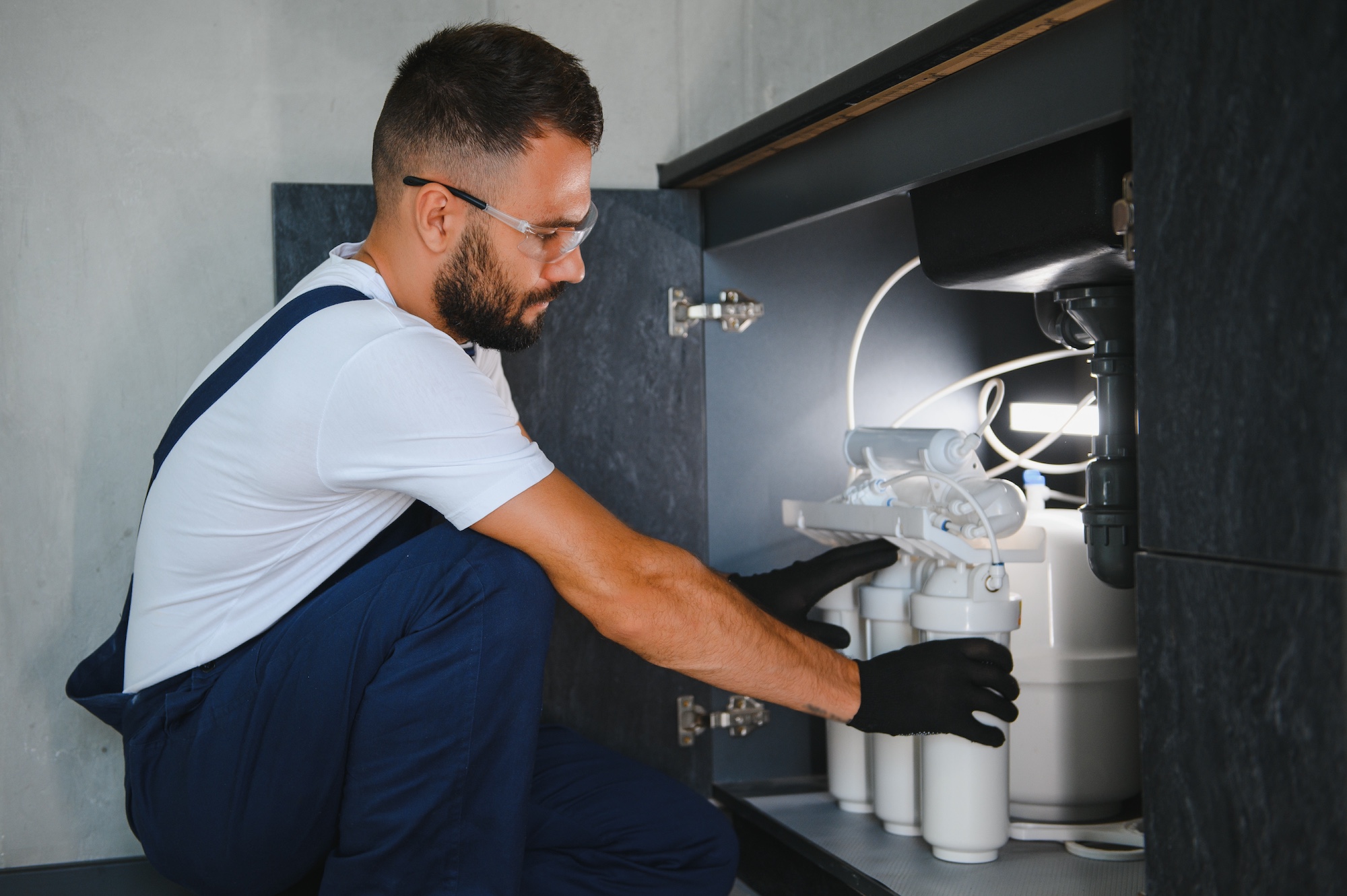
- Install a Reverse Osmosis System: This system can remove sodium and other impurities, providing high-quality drinking water.