Water softeners are essential for households dealing with hard water, helping to prevent mineral buildup in pipes, appliances, and fixtures. A critical component of these systems is the regeneration process, which ensures the softener functions efficiently by “refreshing” the resin beads responsible for softening water. But how does this process work, and why is it so important?
In this blog, you’ll learn more about the water softener regeneration process, how to set the right regeneration frequency, troubleshoot common issues, and address concerns like salty water after regeneration.
What is the Water Softener Regeneration Process?
Knowing how a water softener works is essential to understanding the regeneration process. Hard water contains minerals like calcium and magnesium that cause scaling and reduce the effectiveness of soap. Water softeners use an ion exchange process to remove these minerals, replacing them with sodium or potassium ions. Over time, the resin beads used in the ion exchange become saturated with hardness minerals and must be cleaned through regeneration.
The Stages of Water Softener Regeneration
The regeneration process typically follows five key stages:
Backwash: This stage reverses the water flow to flush out debris and expand the resin bed, preparing it for regeneration.
Brine Draw: A concentrated brine solution (salt water) is pulled from the brine tank into the resin tank. Sodium ions replace the calcium and magnesium ions on the resin beads.
Slow Rinse: The brine solution is slowly rinsed through the resin beads, allowing for thorough ion exchange and removal of hardness minerals.
Fast Rinse: A rapid water flow removes any remaining brine and hardness minerals, re-compacting the resin bed for better efficiency.
Refill: Water refills the brine tank, dissolving the salt to create the brine solution needed for the next regeneration cycle.
The entire process can take 1.5 to 2 hours, depending on the water softener model and settings.
On This Blog:- Hard Water Problems
How to Set the Right Water Softener Regeneration Frequency
Setting the correct regeneration frequency ensures your system operates efficiently, using resources like salt and water wisely. The frequency depends on three main factors:
- Water hardness level: Measured in grains per gallon (gpg); this indicates how many hardness minerals are in your water.
- Household water usage: The more water your household uses, the faster the resin beads become saturated.
- System capacity: This is the maximum hardness your softener can handle before needing regeneration.
Steps to Set the Regeneration Frequency
Test Your Water Hardness: Use a home water test kit or contact your local water provider to determine your water hardness.
Calculate Daily Water Usage: Multiply the number of household members by the average water usage per person (around 75 gallons/day).
Check System Capacity: Refer to your water softener’s manual for its grain capacity.
Set the Schedule: Divide the softener’s capacity by your daily hardness removal needs (water hardness × daily water usage). This calculation will tell you how many days your system can go before regenerating.
For example:
- Family of four
- Water hardness: 10 gpg
- System capacity: 40,000 grains
Daily usage: 4 people × 75 gallons = 300 gallons
Daily hardness removal: 300 gallons × 10 gpg = 3,000 grains
Regeneration frequency: 40,000 grains ÷ 3,000 grains/day ≈ every 13 days
Adjust your softener’s settings accordingly to ensure peak performance.
On This Blog:- Well Drilling Services

Troubleshooting Common Water Softener Regeneration Issues
Water softeners occasionally run into problems during or after regeneration. Addressing these issues helps maintain the efficiency of your system.
What to Do When Your Water Softener is Stuck in Regeneration Mode
If your softener remains in regeneration mode, it could indicate:
- Faulty Control Valve: The valve responsible for switching between cycles may malfunction.
- Broken Timer or Motor: A mechanical failure could prevent the system from advancing.
- Clogged Drain Line: Debris in the drain line can disrupt the regeneration process.
Start by checking your system’s user manual for troubleshooting steps. If the issue persists, consult a professional to avoid unnecessary water and salt waste.
Why Does Water Taste Salty After Regeneration?
Salty water after regeneration usually occurs due to insufficient rinsing. Potential causes include:
- Inadequate Rinse Cycles: If the system doesn’t rinse thoroughly, residual brine may remain in your water.
- Clogged Injector or Drain Line: These blockages can affect the rinse process.
- Incorrect Settings: Ensure the regeneration frequency and rinse times are correctly programmed.
Inspect your system for these issues or contact a professional to resolve the problem.
On the Blog: How Often Should Your Water Softener Regenerate: The Frequency
Maintaining Your Water Softener for Optimal Performance
Regular maintenance is key to keeping your water softener running smoothly. Here are some tips to extend its lifespan and improve efficiency:
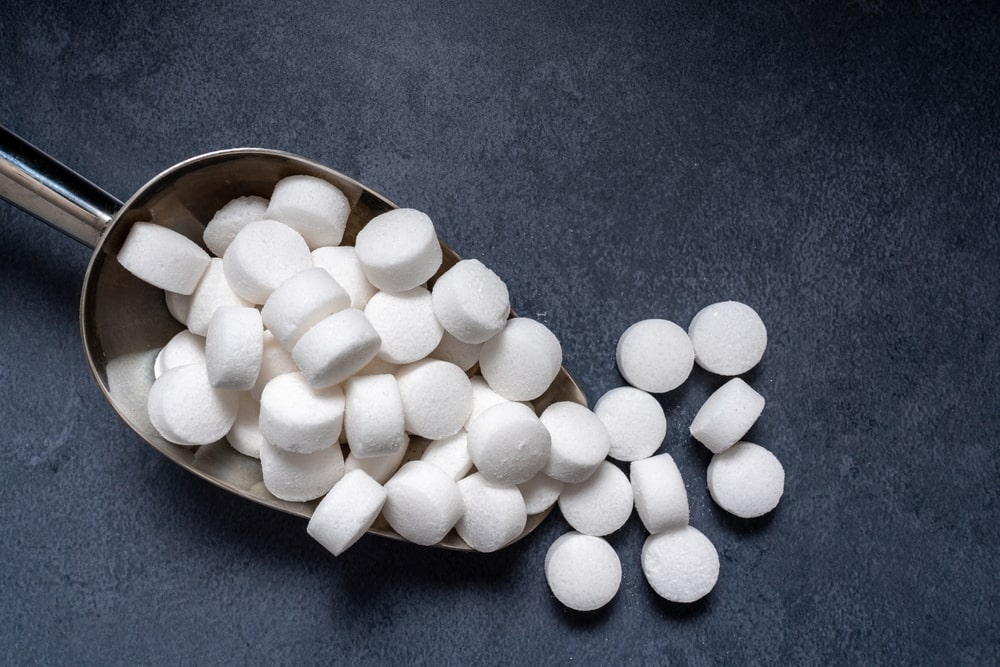
Monitor Salt Levels: Check the brine tank periodically and replenish it with the right type of salt.
Clean the Resin Tank: Use a water softener cleaner to remove any buildup or iron deposits.
Inspect for Leaks or Wear: Look for signs of wear in hoses, connections, and seals.
Schedule Annual Servicing: Have a professional inspect your system yearly to catch potential issues early.

The Benefits of Understanding Your Water Softener’s Regeneration Process
Taking the time to learn about your water softener’s regeneration process can save you money, water, and energy. It ensures that your system remains effective at removing hardness minerals, extends the lifespan of household appliances, and improves the overall quality of your water. By setting the correct regeneration frequency and addressing common issues, you can avoid problems like salty water and ensure a continuous supply of soft water for your home.
The Importance of Ensuring Your Water Softener is Regenerating
The water softener regeneration process is an essential aspect of maintaining a functional and efficient water treatment system. By understanding how it works, setting the appropriate regeneration frequency, and addressing issues like systems stuck in regeneration mode or salty water, homeowners can ensure their water softener operates effectively. Regular maintenance, coupled with professional assistance when needed, guarantees consistent performance and soft, high-quality water
Ensure Reliable Water Softening with Nelson Water
At Nelson Water, we pride ourselves on delivering top-notch water treatment solutions tailored to your needs. From system installation and maintenance to expert advice on troubleshooting, our team is here to help.
Don’t let hard water issues disrupt your home—contact Nelson Water today and enjoy the benefits of soft, high-quality water.