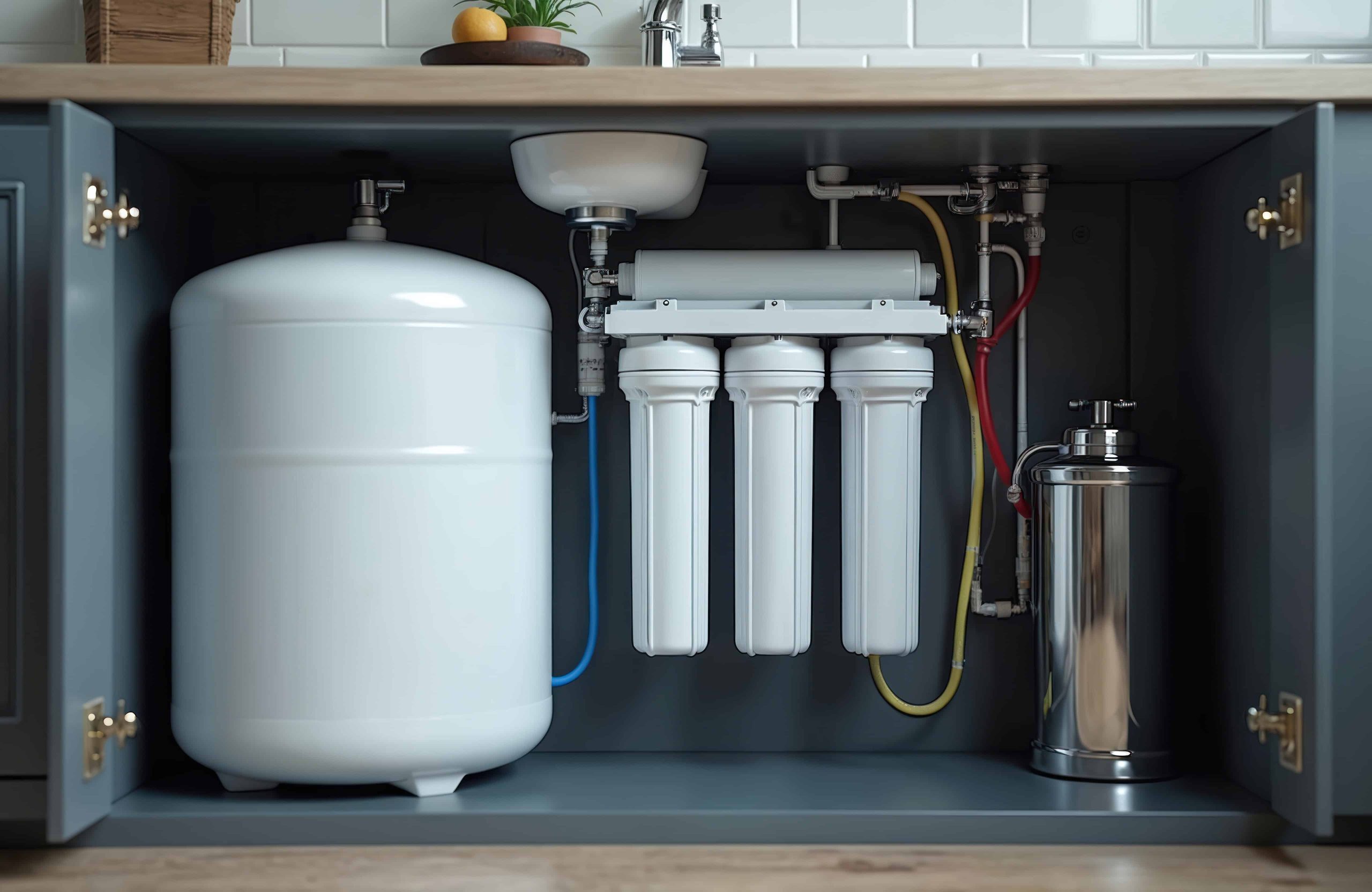
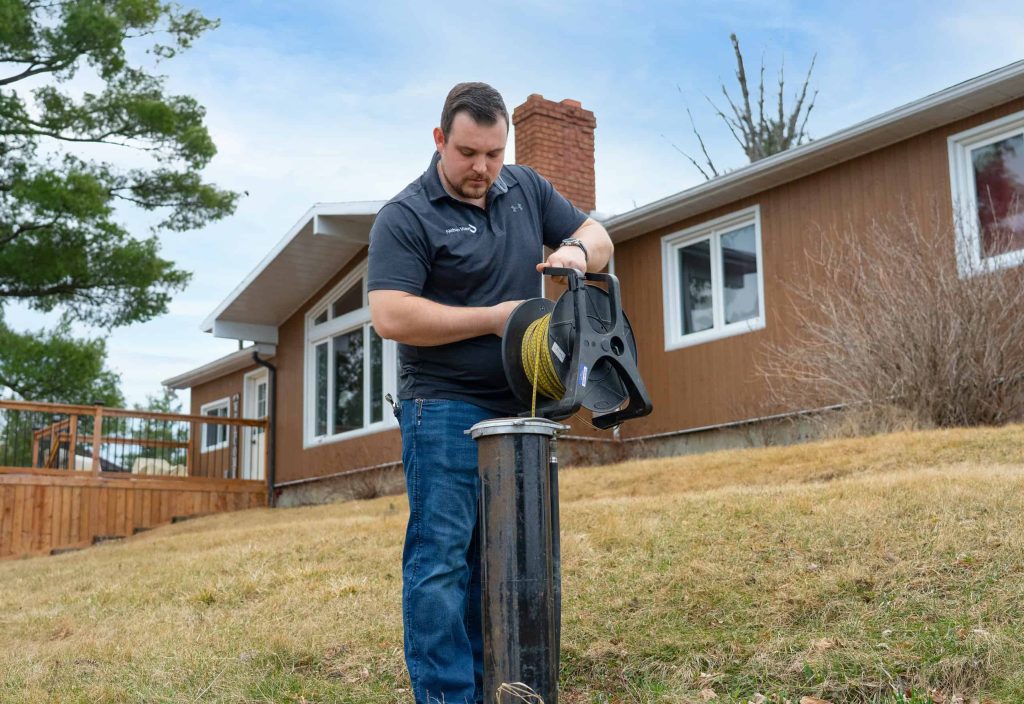
A professional well inspection includes a thorough assessment of your private well system, including the wellhead, well cap, casing, pump, pressure tank, pressure switch, water pressure, flow rate, and other accessible components., including the wellhead, well cap, casing, pump, pressure tank, pressure switch, water pressure, flow rate, and other accessible components. It also includes water analysis to assess water quality and identify potential concerns such as bacteria, minerals, or other contaminants. Together, these checks help identify existing problems, evaluate the overall health of your well system and water supply, and determine whether maintenance, repairs, or treatment may be needed.
Low water pressure, unusual tastes or odours, aging equipment, or an unfamiliar well system can all leave you wondering what’s actually going on. While these issues may seem minor at first, they can sometimes point to underlying problems that affect the performance, reliability, or quality of your water supply.
Understanding what a professional well inspection includes can help you know what to expect, what inspectors look for, and how potential issues are identified before they become more costly to address. In this guide, we’ll walk you through every part of the inspection process and explain why each step matters.
What Does a Well Inspection Include?
A professional well inspection evaluates both the condition of your well system and the quality of your water. The inspection examines the key parts that work together to deliver safe, reliable water to your home. The goal is to identify existing problems, signs of wear, and potential issues before they lead to more expensive repairs or interruptions to your water supply.
Here’s a quick overview of what a professional well inspection typically includes.
| Inspection | What Is Included | Why It Matters |
|---|---|---|
| 1. Visual Inspection | Wellhead, well cap, casing, visible plumbing, drainage, and signs of damage or contamination. | Helps identify visible issues that could affect the safety and reliability of your well system. |
| 2. Well Pump Inspection | Pump operation, performance, cycling, and accessible controls. | Helps identify pump wear and ensure reliable water delivery. |
| 3. Pressure Tank Inspection | Pressure tank condition, pressure switch, system cycling, and visible damage. | Helps maintain consistent water pressure and reduce strain on the pump. |
| 4. Water Pressure & Flow Testing | Water pressure, flow rate, and overall system performance. | Helps identify restrictions, low pressure, or other performance concerns. |
| 5. Water Analysis | Water quality testing for bacteria, minerals, hardness, iron, and other potential contaminants. | Helps determine whether your water is safe and if treatment may be recommended. |
| 6. Inspection Results & Recommendations | Review of findings and recommendations for maintenance, repairs, or treatment. | Provides a clear understanding of your well system's condition and the most appropriate next steps. |
Suggested Reading: Well Water Testing in Ontario: Everything You Need to Know
1. Visual Inspection: Wellhead, Well Cap & Casing
A professional well inspection begins with a visual assessment of the wellhead and other accessible above-ground components. This helps identify obvious signs of damage, deterioration, or conditions that could affect the safety, performance, or reliability of your well system. Although some issues may not be immediately visible, a thorough visual inspection often provides important clues about the overall condition of the system.
The wellhead is your well's first line of defence against contamination. Identifying visible issues early can help prevent water quality problems, equipment damage, and more costly repairs down the road.
Suggested Reading: Common Water Problems in Ottawa and How to Fix Them
2. Well Pump Inspection
The well pump is responsible for delivering water from your well to your home. During a well inspection, the pump’s operation and overall performance are evaluated to help identify signs of wear, reduced efficiency, or potential mechanical issues that could affect your water supply. While some pump components are located underground, inspectors can assess how the system performs and identify symptoms that may indicate underlying problems.
Your well pump is one of the most important components of your water system. Identifying performance issues early can help reduce the risk of unexpected water interruptions, extend the life of the equipment, and avoid more expensive repairs or replacement.
3. Pressure Tank Inspection
The pressure tank helps maintain consistent water pressure throughout your home and reduces unnecessary wear on the well pump. During a well inspection, the pressure tank and related components are checked to ensure they are operating correctly and supporting efficient system performance. Problems with the pressure tank can lead to fluctuating water pressure, frequent pump cycling, and increased strain on the system.
A properly functioning pressure tank helps deliver consistent water pressure while protecting your well pump from excessive wear. Identifying issues early can improve system performance and help prevent premature equipment failure.
4. Water Pressure & Flow Testing
Water pressure and flow testing helps evaluate how well your private well system is performing under normal operating conditions. By measuring water pressure and flow rate, inspectors can identify performance issues that may be related to the well pump, pressure tank, plumbing, or other system components. These tests also help determine whether your system is supplying water efficiently throughout the home.
Changes in water pressure or flow are often the first signs of an underlying well system problem. Testing helps pinpoint performance issues early, allowing for timely maintenance or repairs before they become more significant.
5. Water Analysis
A well inspection also includes water analysis to help evaluate the quality of your water. While the well system inspection assesses the equipment and overall performance, water analysis identifies potential water quality concerns that may not be visible. The results help determine whether your water is safe to use and whether treatment may be recommended.
Even if your well system is operating properly, the water itself may still contain bacteria, minerals, or other contaminants. Water analysis provides a better understanding of your water quality and helps ensure the right treatment solution is recommended when necessary.
6. Inspection Results & Recommendations
Once the inspection and water analysis are complete, the findings are reviewed with you in clear, easy-to-understand terms. If any concerns are identified, you’ll receive recommendations based on the condition of your well system and water quality. This gives you a better understanding of what, if anything, should be addressed to help keep your water supply safe, reliable, and performing at its best.
A well inspection doesn't just identify problems—it helps you understand your system's overall condition and the most appropriate next steps. Addressing small issues early can help extend the life of your equipment, improve water quality, and reduce the risk of more costly repairs in the future.
When Should You Schedule a Well Inspection?
A well inspection isn’t only recommended when something goes wrong. Scheduling an inspection at the right time can help identify developing issues early, provide peace of mind, and reduce the risk of unexpected repairs. Whether you’re buying a home or simply noticing changes in your water system, a professional inspection can help you better understand the condition of your well.
catch issues early.
Even if your well system appears to be working normally, periodic inspections can help detect early signs of wear and ensure your water system continues operating safely and efficiently.
When Should You Schedule a Well Inspection?
A professional well inspection provides a clear understanding of your well system’s condition, helping identify potential issues before they become costly repairs. Whether you’re buying a home, experiencing changes in your water supply, or simply want peace of mind, regular inspections can help keep your water safe and your system operating reliably.
If you’re ready to schedule a well inspection in Ottawa or the surrounding area, Nelson Water is here to help.
Need a Professional Well Inspection?
Our team can inspect your well system, analyze your water, and recommend the right next steps.
Contact Us