The Ontario Drinking Water Quality Standards (O. Reg. 169/03) apply to every regulated drinking water system in the province. Municipal systems, year-round residential systems and systems serving schools, daycares and health-care facilities follow O. Reg. 170/03. Restaurants, motels, campgrounds, churches and other public facilities with their own water supply usually follow O. Reg. 319/08 through their local public health unit. A private well serving only your own home isn’t covered by either regulation, but you’re still responsible for keeping the water safe.
If your property supplies drinking water to anyone other than your own household, there’s a good chance Ontario law has something to say about it. Drinking water standards in Ontario set the maximum levels of bacteria, chemicals and radiological contaminants allowed in drinking water, and a separate set of regulations sets out who has to test for them, how often and what to do when a sample fails.
The rules can be confusing because they depend on what kind of water system you have. A municipal plant, a rural subdivision, a roadside restaurant on a well and a single-family home on a private well are each treated differently. This guide walks you through who must comply, what the standards require and how to work out where your property fits.
Who must comply with Ontario drinking water standards?
Anyone who owns or operates a regulated drinking water system in Ontario must make sure the water meets the provincial standards. What changes from one property to the next is which regulation applies and who enforces it.
Ontario sorts drinking water systems into categories based on who owns them, who they serve, and whether they run year-round or seasonally. In broad terms, these categories cover:
- Municipal residential systems. Large and small municipal systems that supply homes, such as the City of Ottawa’s water system or a village system in a rural township.
- Non-municipal year-round residential systems. Privately owned systems that supply homes year-round, such as a mobile home park or rural subdivision. These are generally systems serving at least six homes on a year-round basis.
- Systems serving designated facilities. Systems that supply schools, child-care centres, health-care facilities and other places serving more vulnerable people.
- Small drinking water systems. Non-residential and seasonal systems that serve the public, such as restaurants, motels, campgrounds, marinas and places of worship.
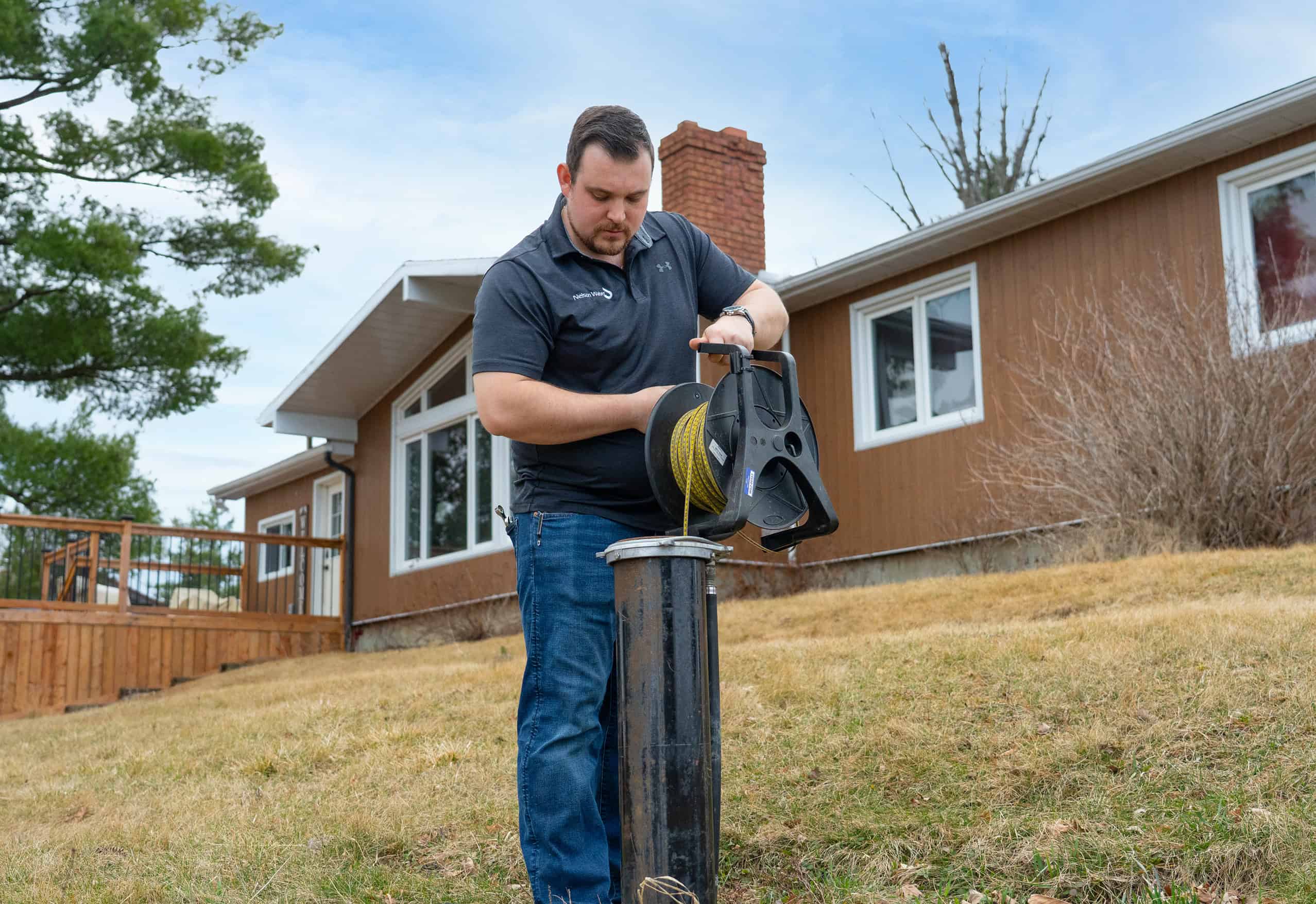
- Private wells. A well or cistern serving a single home or cottage, used only by the owner’s household.
The first three categories fall under the Drinking Water Systems Regulation, O. Reg. 170/03, administered by the Ministry of the Environment, Conservation and Parks (MECP). Small drinking water systems fall under O. Reg. 319/08, administered by the Ministry of Health through local public health units. Private wells sit outside both: well owners are responsible for ensuring the water from their wells is safe to drink.
Suggested reading: Well Water Testing in Ontario: Everything You Need to Know
What are Ontario’s drinking water quality standards?
Ontario’s drinking water quality standards are the maximum allowable concentrations set out in O. Reg. 169/03. Every regulated system is measured against the same list, whichever regulation governs it.
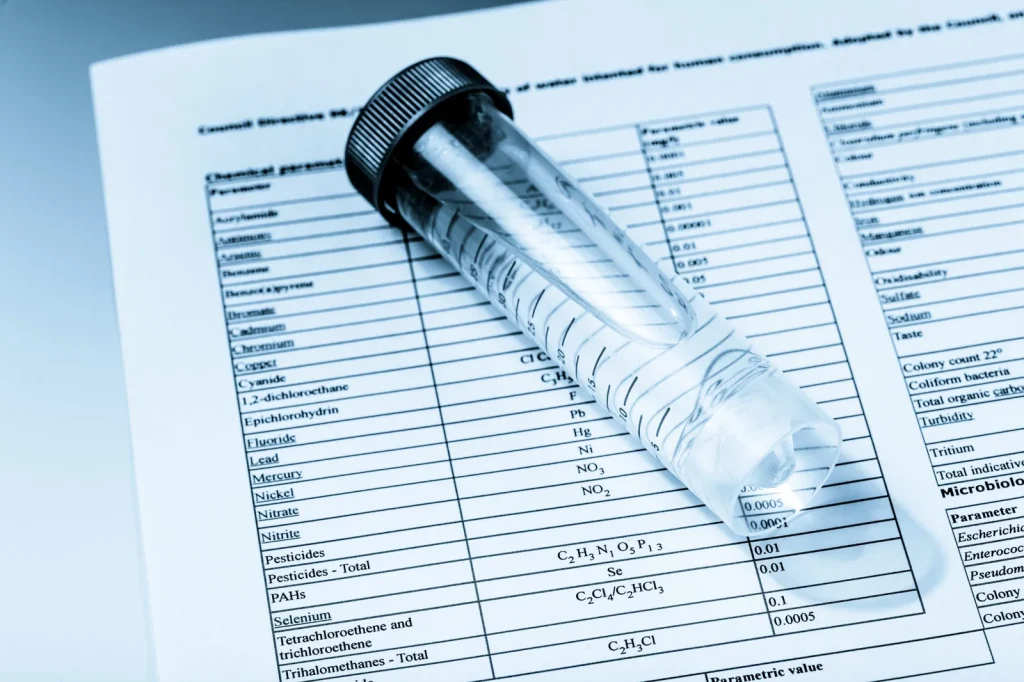
The regulation is made up of three schedules: microbiological, chemical and radiological. Here are some of the parameters Ottawa-area property owners ask about most often.
| Parameter | Ontario standard (maximum) | Source/significance |
|---|---|---|
| Arsenic | 0.01 mg/L | Naturally occurring in some Eastern Ontario groundwater; long-term health risk |
| Coliforms (total) | Not detectable | Indicates surface water or soil may be entering the supply |
| E. coli | Not detectable | Indicates human or animal waste contamination |
| Fluoride | 1.5 mg/L | Can occur naturally at elevated levels in some wells |
| Lead | 0.010 mg/L | Usually from older plumbing, solder and service lines |
| Nitrate (as nitrogen) | 10.0 mg/L | Linked to agricultural runoff and septic systems; a particular risk for infants |
| Nitrite (as nitrogen) | 1.0 mg/L | Related to nitrate contamination |
| Trihalomethanes | 0.100 mg/L (running annual average) | By-products of chlorine disinfection |
| Uranium | 0.02 mg/L | Naturally occurring in some bedrock aquifers |
Health standards vs. aesthetic objectives
Many of the issues homeowners notice day to day, such as hardness, iron staining, a sulphur smell or a salty taste, are covered by provincial aesthetic objectives and operational guidelines instead. Ontario currently publishes these in a technical support document and is developing a consolidated Drinking Water Benchmarks List.
Did you know?
Ontario is stepping up monitoring for PFAS, often called “forever chemicals.” The province now tests drinking water for 35 PFAS, including the 25 that Health Canada used to set its 2024 drinking water objective of 30 ng/L. PFAS aren’t yet a regulated standard under O. Reg. 169/03, but Ontario’s advice is to reduce them to levels as low as reasonably achievable.
Key drinking water testing and treatment requirements
Testing and treatment requirements depend on the type of system: systems under O. Reg. 170/03 follow prescribed schedules, while small drinking water systems follow a site-specific directive from a public health inspector.
Sampling and testing
- O. Reg. 170/03 systems must sample on set schedules for microbiological, chemical and, in some cases, lead parameters, with the frequency based on the system category and its source water.
- O. Reg. 319/08 systems are assessed individually. A public health inspector carries out a site-specific risk assessment and then issues a directive that sets the system’s own sampling and testing requirements.
- Licensed laboratories. Regulatory samples must be tested by a laboratory licensed by the Ministry of the Environment, Conservation and Parks.
Disinfection and filtration
Water drawn from lakes, rivers and other surface sources carries the highest risk. Under O. Reg. 319/08, a small system that obtains water from a surface water source must treat it, and the inspector’s directive may also require treatment for systems on groundwater. Treatment typically means filtration followed by disinfection, such as UV or chlorination. Systems under O. Reg. 170/03 have their own prescribed treatment requirements, which generally include ongoing disinfection.
Operator qualifications
Larger regulated systems need trained people running them. Ontario requires certified operators for five categories of system under O. Reg. 170/03, including municipal residential systems, non-municipal year-round residential systems and large systems serving designated facilities. For small drinking water systems, training requirements are generally set through the public health inspector’s directive.
Suggested reading: What Is Reverse Osmosis? The Complete Guide to RO Water Filtration
Ontario Regulation 170/03 vs. Ontario Regulation 319/08
The main difference is the approach: O. Reg. 170/03 applies fixed, prescribed requirements to larger and higher-risk systems, while O. Reg. 319/08 applies a risk-based, site-specific approach to small public systems. Both are underpinned by the same drinking water quality standards.
| O. Reg. 170/03 (drinking water systems) | O. Reg. 319/08 (small drinking water systems) | |
|---|---|---|
| Made under | Safe Drinking Water Act, 2002 | Health Protection and Promotion Act |
| Overseen by | Ministry of the Environment, Conservation and Parks | Ministry of Health, through local public health units |
| Typical systems | Municipal residential systems, private year-round residential systems, systems serving designated facilities | Restaurants, motels, campgrounds, seasonal trailer parks, gas stations, churches, community centres |
| How requirements are set | Prescribed in the regulation by system category | Site-specific directive after a risk assessment |
| Operators | Certified operators required for most categories | Training as set out in the directive |
| Adverse results reported to | Medical officer of health and MECP’s Spills Action Centre | Medical officer of health |
The two regulations used to be closer together. Small systems were moved to the Health Protection and Promotion Act when O. Reg. 319/08 came into force in 2008, so public health inspectors could tailor requirements to each property instead of applying one set of rules to every small system.
Which businesses and properties must comply?
If your business or facility supplies water to the public and isn’t connected to a municipal system, you are probably operating a regulated drinking water system. The provincial list of small systems is broad. It can include restaurants, seasonal trailer parks, summer camps, community centres, libraries, gas stations, motels and churches, among many other public facilities.
Here’s how common property types usually line up. Your local public health unit or the MECP makes the final call for your specific property.
| Property type | Likely regulation |
|---|---|
| Restaurants, cafés and food service | O. Reg. 319/08 |
| Hotels, motels, and bed and breakfasts | O. Reg. 319/08 |
| Campgrounds, seasonal trailer parks and resorts | Depends on the system. O. Reg. 319/08 excludes non-municipal systems serving trailer parks or campgrounds with more than five water service connections. Check with the regulator to confirm which rules apply. |
| Churches, community halls and golf courses | O. Reg. 319/08 |
| Schools and child-care centres on their own supply | O. Reg. 170/03, as systems serving designated facilities |
| Mobile home parks and private subdivisions | O. Reg. 170/03 |
| Commercial and office buildings on a private well | Depends on use and who the water serves; check with your health unit |
| Single-family home on a private well | Not regulated under either; owner responsible |
Schools and child-care centres also have separate lead sampling and flushing requirements under Ontario’s lead regulation for those facilities, even when they’re on municipal water.
What happens when drinking water fails to meet standards?
A test result that meets the applicable definition of an adverse result must be reported immediately. The reporting and corrective action requirements depend on the regulation, system and test result.
Reporting obligations
- Under O. Reg. 170/03, owners and labs must immediately report adverse results to the ministry and the local medical officer of health.
- Under O. Reg. 319/08, the owner or operator must give immediate notice to the medical officer of health and send a follow-up written notice within 24 hours describing the result and the actions being taken. Once the issue is resolved, the operator must send a written summary to the medical officer of health within seven days.
Corrective actions
Corrective action usually starts with resampling and testing. Depending on the result, it can include flushing and disinfecting the system, issuing a boil water or drinking water advisory, posting warning signs, or installing or repairing treatment equipment. The health unit may also direct additional steps.
Consequences of non-compliance
Failing to meet these obligations is an offence. Orders, charges and fines are possible under the Safe Drinking Water Act and the Health Protection and Promotion Act. For a business, a boil water advisory can also mean lost customers and a temporary shutdown of food service.
Key takeaways
- Report adverse results immediately, by phone or in person, then follow up in writing within 24 hours.
- Follow the corrective actions required for your system and any directions from the local medical officer of health, including restrictions on water use where directed.
- Fix the cause, not only the symptom. Repeated adverse results usually point to a treatment or well problem.
How to determine your drinking water compliance requirements
Start by identifying your water source and who uses your water, then confirm your system category with the regulator. These steps will get most property owners to a clear answer.
- Identify your source. Are you on municipal water, a drilled or dug well, or surface water from a lake or river? Surface water carries the strictest treatment expectations.
- Identify your users. Is the water used only by your household, by residents year-round, by the public, or by children, patients or other vulnerable people?
- Check whether you’re already registered. Small system owners must notify the medical officer of health in writing before supplying drinking water to users. If you’ve never done this and you serve the public, contact your health unit.
- Ask your public health unit or the MECP. In Ottawa, that’s Ottawa Public Health. In surrounding counties, it’s the Eastern Ontario Health Unit or your local health unit.
- Review your directive or approval. If you have one, it lists your sampling schedule, treatment requirements and record-keeping obligations. Under O. Reg. 319/08, you have seven days to request a review of a new or amended directive.
- Get your water tested. Even if you’re a homeowner on a private well, Public Health Ontario tests well water for E. coli and total coliforms free of charge, though it doesn’t test for chemicals. Frequent testing is recommended, as conditions can change over time.
Suggested reading: Common Water Problems in Ottawa and How to Fix Them
How Nelson Water can help
Understanding Ontario’s drinking water regulations is one part of the job. Meeting them every day, with equipment that keeps working, is the other. Nelson Water has been treating water for homes and businesses across Ottawa and the Ottawa Valley since 1985, and our team can help you:
- Understand your water. Our free in-home water analysis shows what’s in your water and what treatment makes sense.
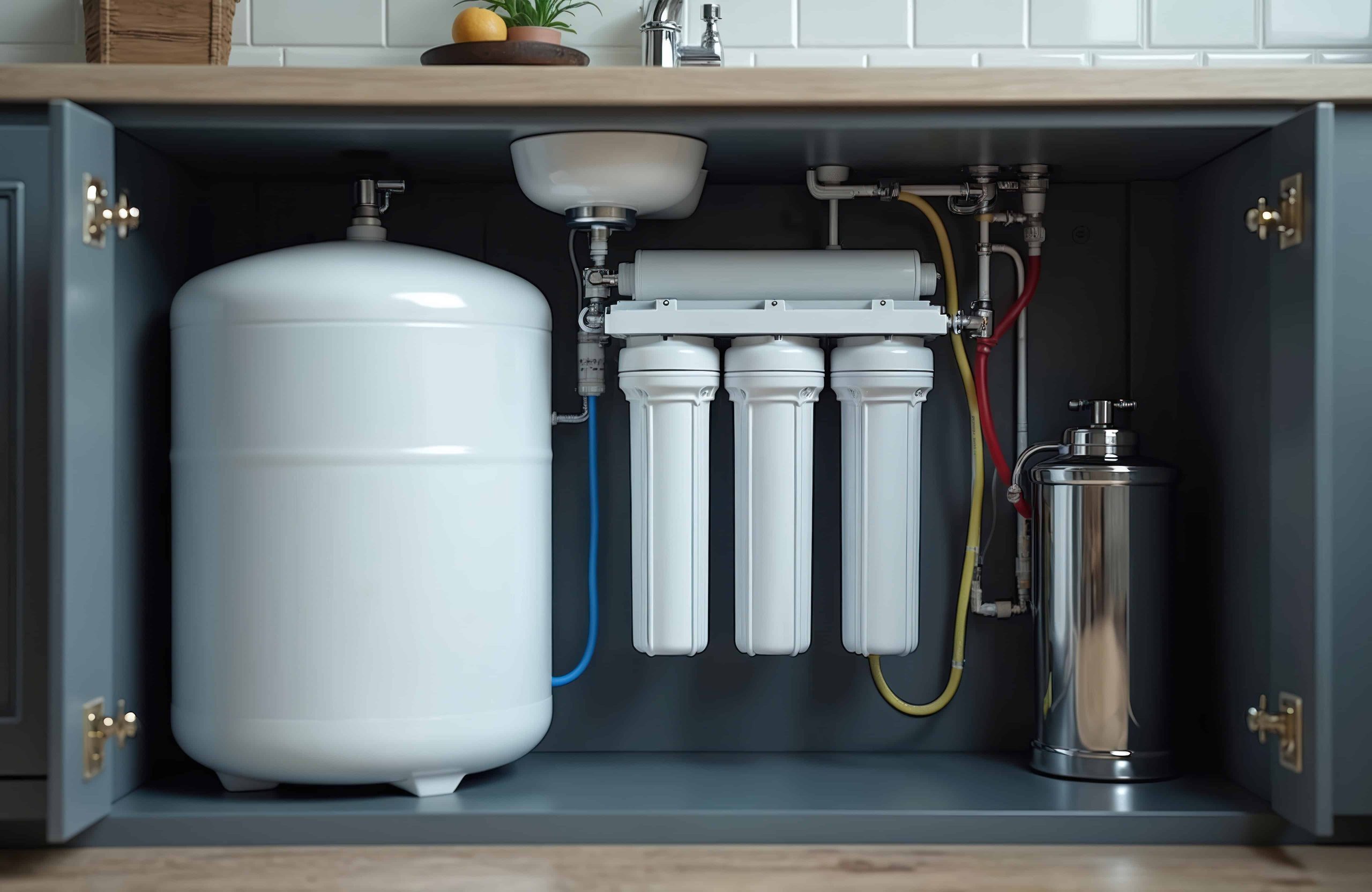
- Install the right treatment. We design and install commercial UV systems, commercial water filters, commercial reverse osmosis and commercial water softeners, as well as residential systems, including chemical injection systems for well water.
- Keep your well and equipment reliable. We offer well inspections and well pump and pressure tank service.
- Stay on top of maintenance. Regular maintenance service helps keep UV lamps, filters and other equipment performing as your directive or approval expects.
Whether you run a restaurant on a well, manage a campground or simply want peace of mind about your family’s water, the first step is knowing what’s in it. Book your free water test and get straightforward answers about your water and the treatment that fits your property.