
Water is an essential part of life. However, when it carries an unusual odour or taste, such as the distinct “rotten egg” smell, it raises questions about its safety and quality. If you’ve noticed this odour in your water, you may be dealing with sulphur water.
This blog will help you understand what sulphur water is, the potential risks and benefits, its effects on health and skin, and practical solutions to ensure safe drinking water.
What Causes Sulphur in Drinking Water?
Sulphur is a naturally occurring element in soil, rocks, and groundwater. When water moves through underground deposits containing sulphur compounds, it can dissolve them. Two primary culprits cause sulphur water:
Hydrogen Sulphide Gas: This compound is often responsible for the rotten egg smell. It forms when organic material decomposes or when sulphur-reducing bacteria react with sulphates in water.
Sulphates: Sulphates are minerals that can dissolve into groundwater and contribute to taste and smell issues. While they don’t produce the same odour as hydrogen sulphide, they still influence water quality.
These compounds are most common in wells and natural springs, though municipal water sources can also be affected.

Health Effects of Drinking Sulphur Water
While sulphur is an essential mineral that your body needs in small amounts, consuming it through water can have mixed effects depending on the concentration.
The Good
- Essential Nutrient: Sulphur supports the production of certain amino acids and proteins. Small amounts in water are unlikely to harm you and might contribute slightly to your dietary needs.
- Potential Skin Benefits: Some proponents of sulphur water claim it has therapeutic properties for skin conditions like acne or eczema when used externally.
The Risks
- Digestive Discomfort: High concentrations of sulphates in drinking water can have a laxative effect. This is especially concerning for infants, elderly individuals, and those unaccustomed to sulphur-rich water.
- Dehydration: Excessive diarrhea caused by sulphate-laden water can lead to dehydration, compounding health risks in vulnerable populations.
- Impact on Taste and Smell: Hydrogen sulphide gives water an unpleasant odour and taste, making it less appealing to drink or use for cooking.
Does Sulphur Water Affect Your Skin and Hair?
Bathing in sulphur water has been a topic of interest for centuries, with people visiting sulphur springs for their supposed health benefits. However, when it comes to regular home use, the effects can vary.
Potential Benefits
- Soothing Properties: Sulphur-rich baths are often recommended for people with psoriasis, eczema, or dermatitis. The anti-inflammatory and antibacterial properties of sulphur can alleviate symptoms temporarily.
- Natural Exfoliant: Sulphur may help remove dead skin cells, leaving your skin feeling softer.
Potential Downsides
- Dryness and Irritation: Prolonged exposure to sulphur water can strip natural oils from your skin, leading to dryness and irritation.
- Hair Damage: Similar to skin, sulphur water can dry out your hair, leaving it brittle and prone to breakage.
If you’re bathing in sulphur water regularly, consider using moisturizers and conditioners to counteract these effects.
On the Blog: Everything You Need to Know About Sulphur in Your Water Supply

How to Identify Sulphur Water in Your Home
If you suspect your water might contain sulphur, look for the following signs:
Rotten Egg Smell: This is the most common indicator of hydrogen sulphide gas in water. It’s especially noticeable when you run hot water, as heat releases the gas.
Metallic or Bitter Taste: Sulphates can give water an unpleasant metallic or medicinal taste.
Staining: High levels of sulphur may leave yellow or black stains on plumbing fixtures, sinks, and laundry.
Pipe Corrosion: Hydrogen sulphide can corrode metal pipes over time, leading to leaks and costly repairs.
If you notice these symptoms, it’s time to have your water tested.
Is It Safe to Drink Sulphur Water?
In low concentrations, sulphur in water is generally safe to drink. However, high levels can lead to health and practical concerns:
- Short-Term Issues: Drinking water with high sulphate concentrations can cause stomach upset, diarrhea, and dehydration.
- Long-Term Concerns: Over time, consuming water with elevated sulphur levels may contribute to gastrointestinal irritation or make water unpalatable, reducing overall hydration.
Regular testing is essential to determine whether your water is safe.

Testing and Treating Sulphur Water
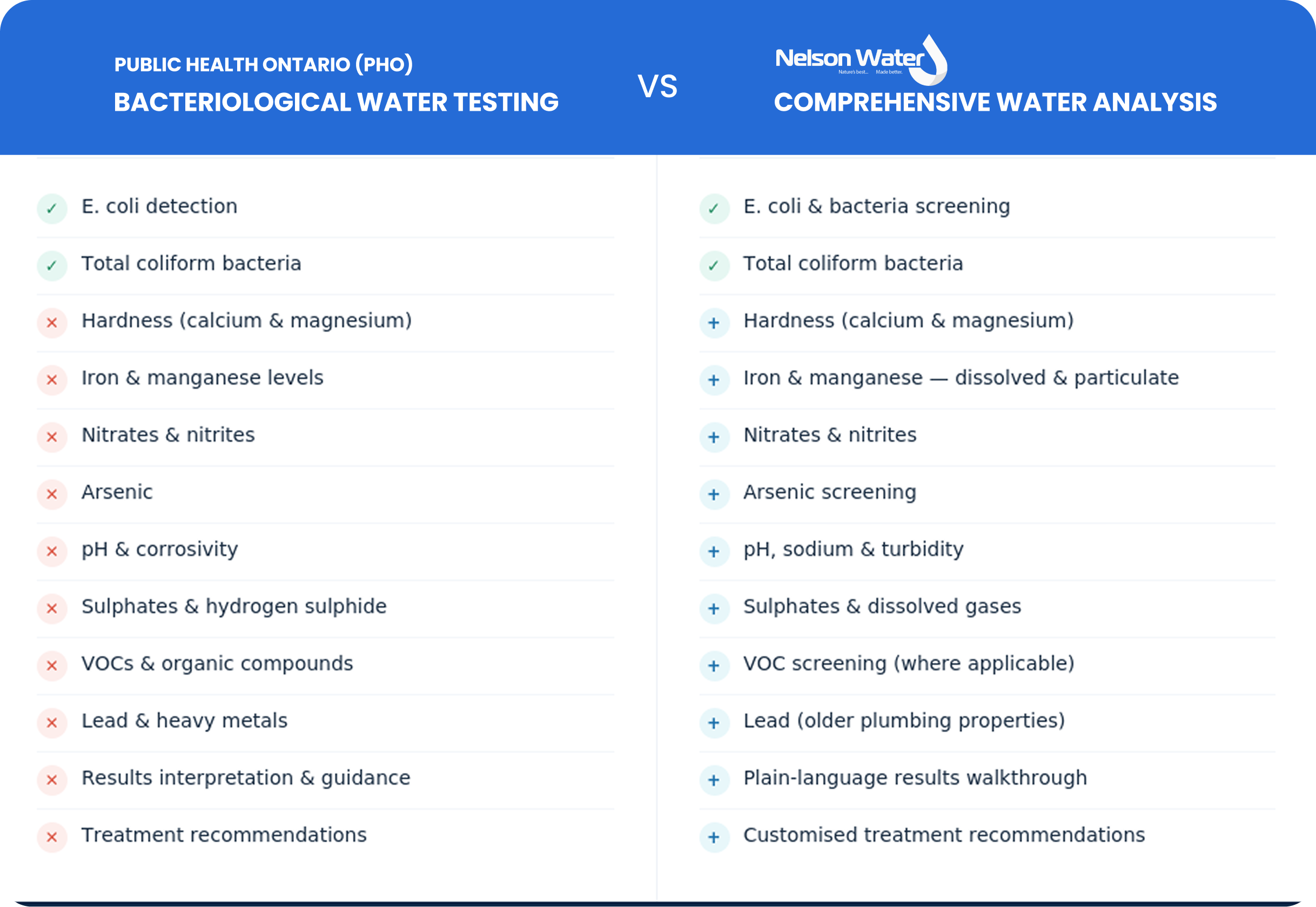
The first step in addressing sulphur water is identifying the exact cause and concentration of sulphur compounds. Professional water testing can provide clarity and guide treatment options. Here are some common solutions:
Water Treatment Systems
Activated Carbon Filters: These filters absorb the gas and remove odour and are effective for low levels of hydrogen sulphide.
Aeration Systems: Introducing air into water releases hydrogen sulphide gas, which is then vented away. This is ideal for moderate sulphur concentrations.
Oxidation Filtration: These systems use chemical oxidants to convert hydrogen sulphide into insoluble sulphur, which is then filtered out.
Reverse Osmosis: Reverse osmosis systems are highly effective in removing high levels of sulphates.
Shock Chlorination
If bacteria are contributing to sulphur water, shock chlorination of the well or water source can eliminate the problem temporarily.
Ongoing Maintenance
Regularly maintaining your water treatment system ensures long-term effectiveness. It’s also crucial to test your water periodically, as changes in groundwater can affect sulphur levels over time.
When to Call a Professional
While some homeowners may attempt DIY water treatments, professional intervention is often necessary for significant sulphur contamination. Experts can provide comprehensive water testing, recommend the best treatment solutions, and ensure your system is installed and maintained correctly.
Conclusion
So, should you be concerned about drinking sulphur water? The answer depends on your concentration and your tolerance. Low levels of sulphur are generally safe and may even offer some benefits. However, high concentrations can lead to health issues, unpleasant odours, and practical inconveniences. Testing your water regularly and investing in appropriate treatment systems is the best way to ensure safety and quality.
Why Choose Nelson Water?
At Nelson Water, we understand the challenges of maintaining safe and high-quality water in your home. Our team specializes in diagnosing and resolving water issues, including sulphur contamination. With our state-of-the-art water treatment solutions, you can enjoy fresh, clean, and odour-free water every day.
Contact us today to schedule a free water test. Let us help you ensure the safety and quality of your home’s water for your family’s peace of mind.